Davy Chou’s Golden Slumbers, showing this week at the San Francisco International Film Festival, looks at the Cambodian film industry in the 1960s and 70s before the Khmer Rouge, and underscores the power of collective memory in the face of great trauma and oppression. Focusing on moviemaking in particular and Cambodian pop culture in general Golden Slumbers is an ethereal dream of a film, with people listening to old music, looking at film fragments, and reminiscing about people long dead. The movie is a testament to the power of using artmaking and storytelling to overcome great emotional and psychological scars.
The documentary starts with a sustained shot from the back of a moving vehicle as it travels down a road in modern-day Cambodia. This simple image conveys the long journey the Cambodian people have gone through as they’ve passed from the happy years of the 1960s and 70s through the national nightmare of the reign of the Khmer Rouge and back again from that great upheaval. Although Pol Pot’s genocidal regime was overthrown in 1979 the damage from that time period still lingers in Cambodia’s collective memory. Cambodia’s commercial film industry produced upwards of 400 films in the decade or so preceding the Khmer Rouge yet fewer than a dozen films now exist. Movies were deemed corrupt and most film prints were destroyed, with film directors and movie stars targeted and purged by the regime during its four-year reign. Golden Slumbers documents the traces of the once-thriving industry through ephemera including film stills and posters, fragments of soundtracks, and most significantly, interviews with the few surviving members of the Cambodian film world of the time.
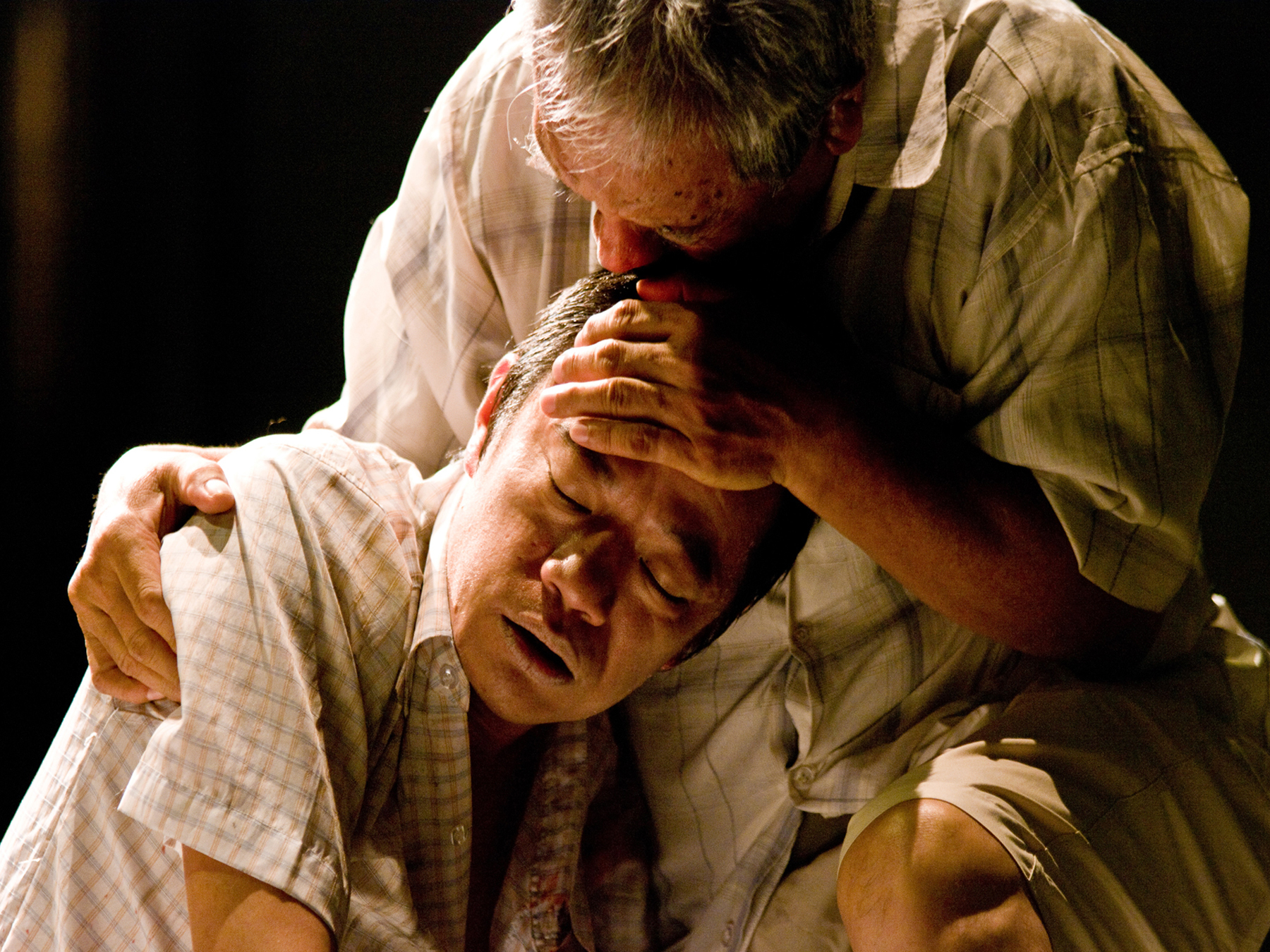
Staying alive, Golden Slumbers, 2011
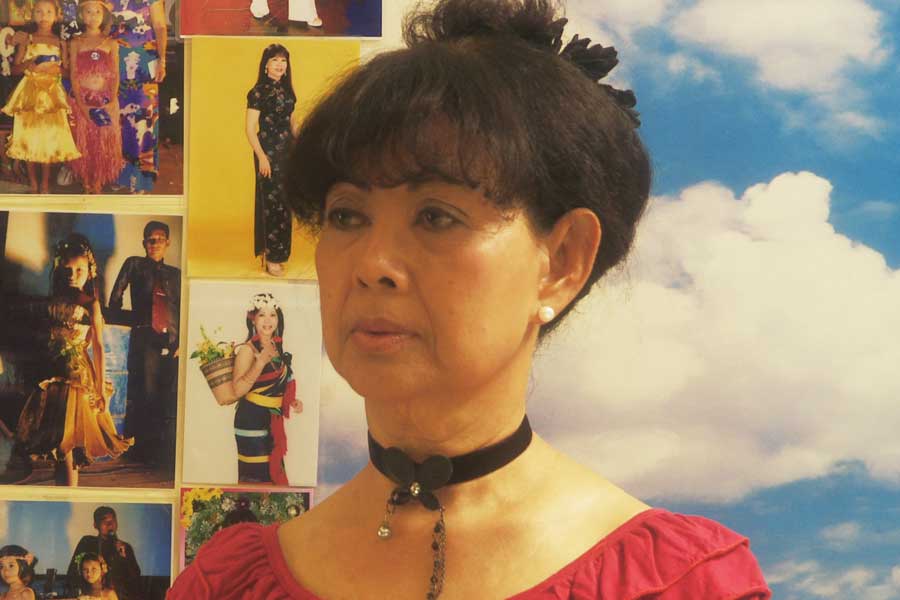
One director managed to escape to France where he lived for nearly two decades before returning to Cambodia. Another happened to be among the 180 out of 1000 from his village to survive the Khmer Rouge massacres, although his wife and several children were among those killed. Another actress also fled to France, where she keeps a wall of photographs, postcards, and other mementos from lost Cambodian films. She notes, “If I remember the pictures, it’s like they’re still alive.” Her statement as well as others throughout Golden Slumbers suggests that keeping alive the memories of those martyred can vanquish the war crimes of the Khmer Rouge and that the key to defeating and outlasting those crimes is through human remembrance and a refusal to give up on the hopes and dreams of the people.
At one point the film visits a former movie palace that has become an indoor favela, housing over 100 families who squat the building. The residents there also have vivid memories of the films that they saw before the Khmer Rouge and can easily recall their plots and storylines. It’s as if the movies become symbols of happier times before the great national trauma of the war, taking on the status of myths or fairytales. At another point in the film one man sadly notes that he can’t remember the faces of his lost family members, yet he clearly recalls the faces of the actors from the films.
Cultural memory, Golden Slumbers, 2011
The film ends with footage from some of the lost Cambodian films projected on a brick wall in one of the repurposed movie houses. Current residents watch the footage in thoughtful silence as the images flicker on the segmented wall. The lines of the bricks fragment the pictures but they remain clear and focused, suggesting their resiliency despite their near-destruction. Cambodian movies thus become the immutable repositories of the country’s memory and mythology, preserving its vital stories even after the Khmer Rouge’s violent attempts to rewrite and obliterate them.
By illustrating the important place these lost movies hold in the hearts and minds of the Cambodian people, diretor Chou shows how the films have become a means of resisting brutality and persecution. Golden Slumbers is an elegaic tribute to a country and a culture that has survived despite near annihilation.
Other notable films in the festival by Asian/American directors include Johnny To’s Life Without Principle, which delves into the questionable morality of Hong Kong’s world of commerce; Wu Xia, Peter Chan’s detective/swordplay/martial arts movie starring the lovely and eminently watchable Takeshi Kaneshiro; Hong Sang Soo’s The Day He Arrives, another odd meditation on life, film, and neurosis; and Don’t Stop Believin’: Everyman’s Journey, Ramona Diaz’s glorious and energetic real-life fable about Arnel Pineda, the Filipino singer from the shantytowns of Manila who became the lead vocalist for the classic rock band Journey.
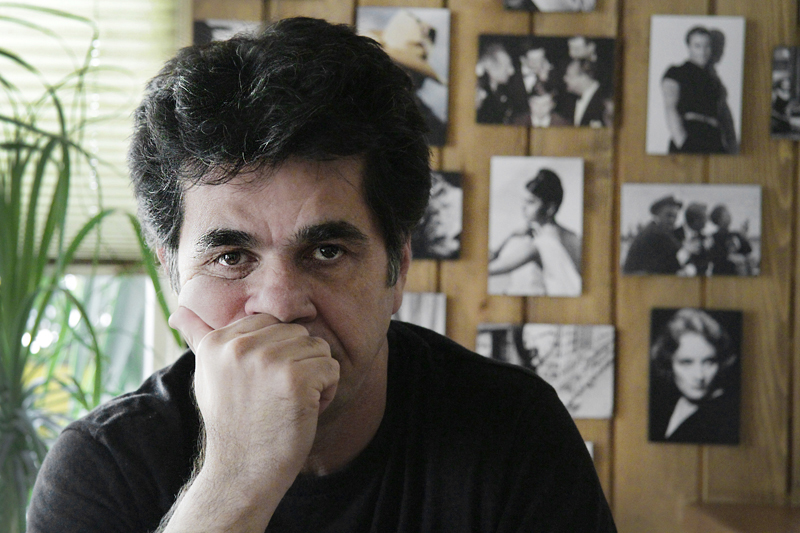
Jafar Panahi, house arrest, This Is Not A Film, 2012
Iranian director Jafar Pahahi has been under house arrest for more than a year now awaiting the outcome of latest appeal of his 2010 conviction of conspiring to overthrow Iran’s Islamic Republic. His latest effort, This Is Not A Film is a documentary of what he describes as “two idle filmmakers,” Panahi and fellow Iranian director Mojtaba Mirtahmasb, attempting to make sense out of a nonsensical situation. Filmed mostly inside Panahi’s Tehran apartment over the course of a day and evening, the movie is an interesting metaphor for the likely state of Panahi’s frustrated creative mind right now.
The movie follows Panahi as he eat breakfast and kibitzes with his lawyer on the phone about the possible results of his legal appeal. It then continues with a visit from Mirtahmasb who films Panahi as he describes the scenario for his most recently script, lately rejected by the Iranian censorship board. Panahi and Mirtahmasb begin to block out the film on Panahi’s living room rug, but the process abruptly ends and the documentary goes on several tangents. Somehow Panahi ends up filming Mirtahmasb on his cell phone camera while Mirtahmasb is filming him, in circumspect defiance of the regime’s ban on Panahi making films. The film ends with Panahi interviewing an art student/garbage collector/deliveryman on his trash-collecting rounds as they discuss the difficulties of creating work under the current regime’s oppressive eye.
Attesting to Panahi’s status as one of Iran’s leading directors, we see him in his comfortable flat casually name-checking various members of the Iranian filmmaking pantheon such as Rakhshān (Bani-E’temād) and Khambozia (Partovi). Yet he also seems quite at ease chatting with the art student/garbageman and doesn’t seem to mind riding in an elevator with a smelly trashcan.
Jafar Pahahi, blocking, This Is Not A Film, 2012
This Is Not A Film has the same watchful intelligence as Panahi’s narrative films (The Circle; Offside; Crimson Gold), and as with those films, this one possesses a sharp critique of the Iranian power structure. Several times Panahi mentions his unwillingness to solicit public support from his fellow Iranian filmmakers due to the risks from the government their aid may cause them and Mirtahmasb at one point asks Panahi to take a picture of him as evidence in case the government retaliates against him for helping out Panahi. Throughout the documentary an uneasy undercurrent of repression flavors the goings-on, adding a furtive guardedness to the proceedings.
Panahi maintains a keen eye for metaphor–he paces fitfully in his apartment, only able to connect to the outside world through remote devices like the cell phone or through TV news, or at a distance, by watching the city’s daily life at a remove on his balcony. The storyline of Panahi’s rejected script involves a young woman attempting to escape the house that her family has locked her in, which of course echoes Panahi’s own real-life house arrest. Tellingly, the recounting of this story and others in the documentary are interrupted and unfinished, adding to the film’s mood of incompleteness and frustration.
Jafar Panahi, frustrated, This Is Not A Film, 2012
Panahi also makes good use of the spectacle of Fireworks Wednesday, the boisterous celebration of Persian New Year. The film ends with Panahi viewing from afar a bonfire just outside the gates of his apartment building as his visitor warns him not to be seen holding a camera or “they will see you.” As he lingers in his doorway he clearly longs to join the celebration, yet his wariness that “they” will censure him constrains him.
This small moment is an excellent representation of the invisible restrictions on Panahi’s freedom and the way in which the Iranian regime holds him captive, as well as the means by which he attempts to subvert that captivity. The doublespeak of This Is Not A Film’s title echoes that subversion, as Panahi tries to find a workaround to his confinement without pushing the regime too far. It’s a delicate, frustrating balance and one Panahi captures pretty effectively in this film. His creative life hangs in the balance and, like the interrupted stories throughout, if the Iranian government prevails, it may never reach its full completeness.
This Is Not a Film (In film nist, Iran 2011), dir. Jafar Panahi
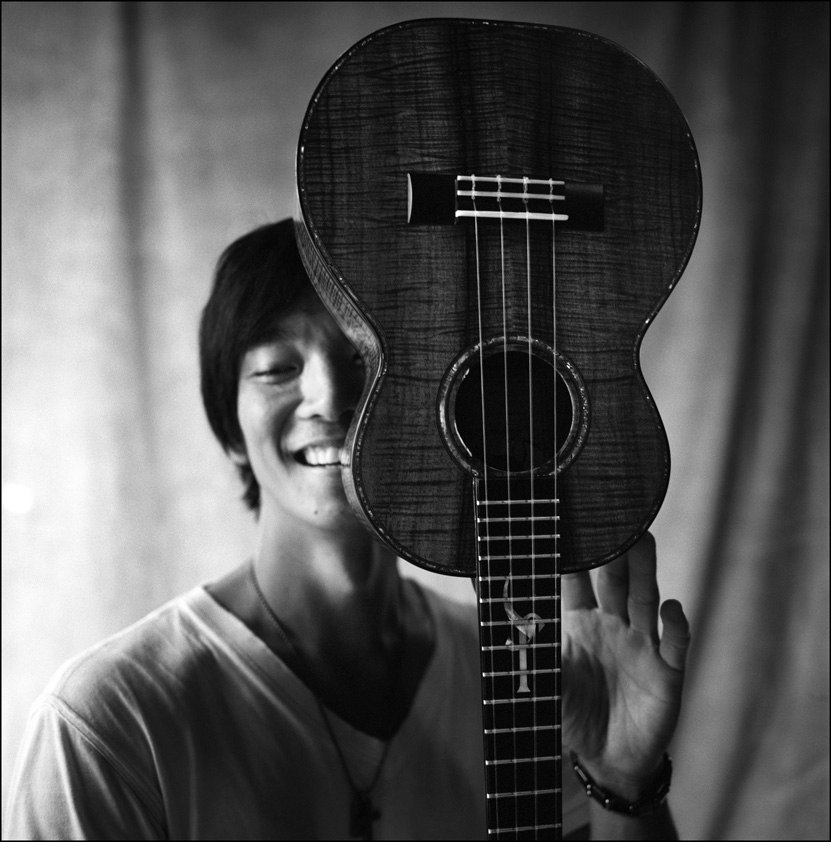
A man and his ukelele, Jake Shimabukuro Documentary, 2012
Now in its thirtieth year, the San Francisco International Asian American film festival offers several treats this year, with some brand new narrative films from Asian American directors. These include features by some familiar names and one remarkable debut by a newcomer that is astoundingly assured and original, demonstrating the continued growth and expansion of Asian American cinema.
The lucky Kimberly-Rose Wolter with foxy Sung Kang, Knots, 2012
Michael Kang’s Knots is a fast-paced rom-com with great comic performances and a decidedly un-cloying script. As in his debut film, the offbeat adolescent comedy The Motel, Kang has an eye for strange yet engaging characters coping with the bizarre dynamics of dysfunctional family life. Lead actress and screenwriter Kimberly-Rose Wolter is a marriage-phobe whose weird mom and sisters are wedding planners in Hawai’i. Sung Kang (Fast & Furious; Better Luck Tomorrow) is the dreamy love interest.
Yes, We’re Open, directed by Richard Wong (Colma: The Musical) is an entirely agreeable, sleek and charming timepass, with a clever and engaging script (by Colma’s star and screenwriter H.P. Mendoza) and winsome performances from its cast. Lynn Chen and Parry Shen play a comfortable yet slightly bored couple whose relationship has lost its groove, until they meet another couple that tantalizes them with the possibility of an open relationship. The film does a good job capturing the feel of non-tourist San Francisco, with locations at Green Apple Books, the Alemany Farmers’ Market, the Roxie Cinema, and other neighborhood locations, as well as gently lampooning foodies, hipsters, and tech geeks. I haven’t seen Parry Shen in a movie since Better Luck Tomorrow and he does a great job as the slightly neurotic male lead who is somewhat lacking in self-awareness. Lynn Chen is funny and endearing as the other half of the conflicted couple. The movie is not unlike Annie Hall or some of Woody Allen’s other earlier romantic comedies in its young urban groovester milieu, its reliance on a specific cityscape (here San Francisco instead of New York) and its lighthearted take on the foibles of contemporary relationships.
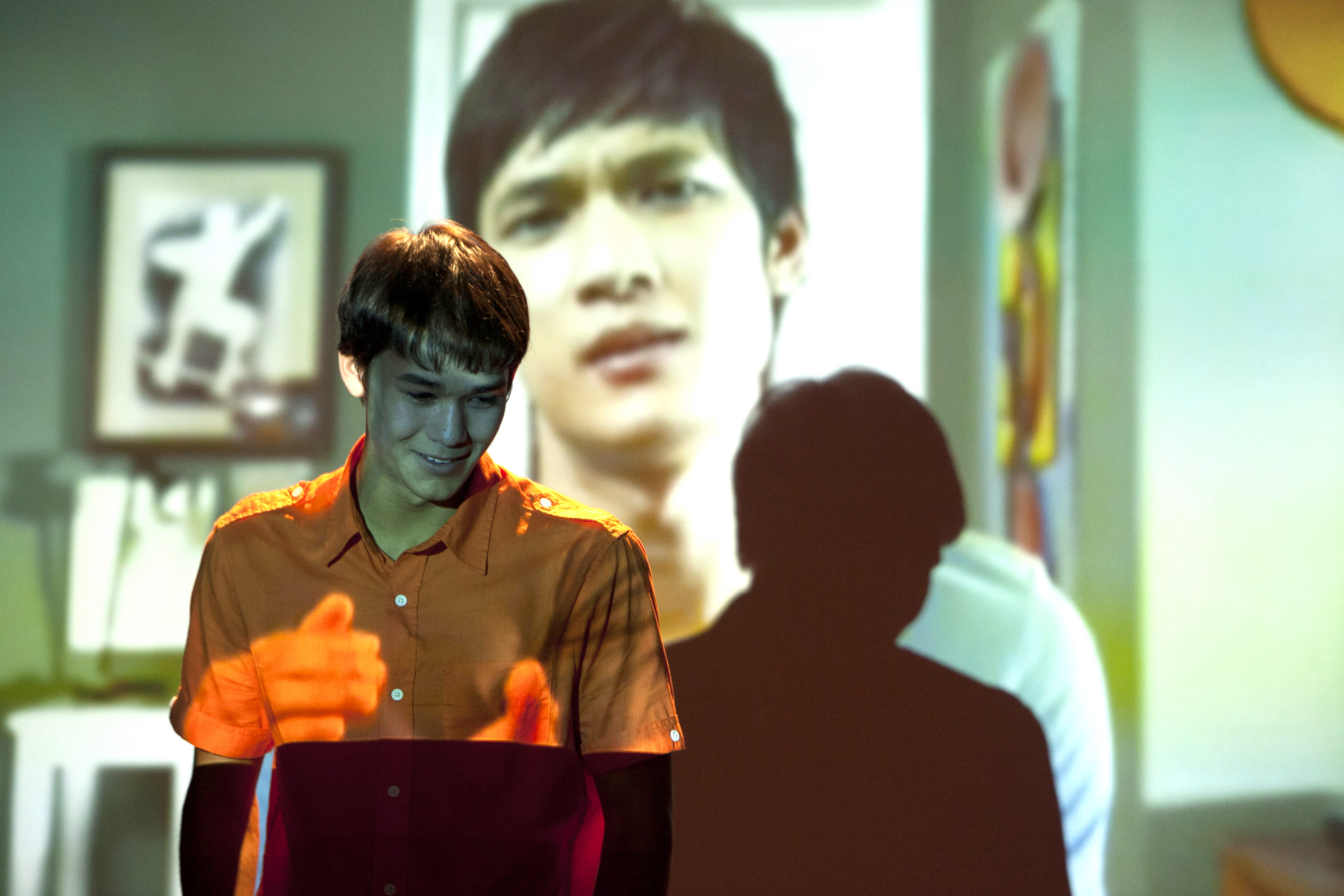
BooBoo on the spectrum, White Frog, 2012
Quentin Lee turns up the melodrama with White Frog, a family tale of a teenager with Asperger’s syndrome dealing with tragic circumstances. Led by a strong performance by BooBoo Stewart (Twilight: Breaking Dawn), the cast also includes some of the best-looking teenagers I’ve seen since Beverly Hills 90210, yet the actors overcome the handicap of their beauty by turning in convincing performances. The story makes a plea for tolerance and understanding of difference, and while it tilts toward maudlin at times, director Lee’s strong direction steers it back toward steady ground. He modulates the somewhat overwrought twists of the narrative by drawing out believable and sympathetic turns from his actors, including BD Wong as the conflicted father and Joan Chen at her dreamy and vulnerable best.
Although it also delves the family dynamics of coping with a tragic loss, Patrick Wang’s In The Family is a horse of a different color. Subtle and smart, the film offers a new way of seeing that diverges radically from the classic Hollywood style of filmmaking–it clocks in at nearly 3 hours, and the majority of the film is shot in long, deep-focus master shots. However, its formal style is in no ways mannered or pretentious. The film begins with a series of long, static scenes that simply explicate the quotidian lives of Joey and Cody, an interracial gay couple living in Martin, Tennessee with their energetic and precocious young son Chip. The long lockdown takes emphasize the normalcy of their everyday life despite a family structure that falls outside of the heteronormative frame. The time that the film takes to establish their deep emotional bonds pays off later in the film as tragic circumstances as well as societal pressure conspire to destroy their idyllic home life. With a reliance on long single takes the acting had better be good and here it’s stellar, anchored by actor-director Wang as the humble yet passionate and devoted father.
Stillness and movement, In The Family, 2012
In The Family is not only one of the best Asian American films I’ve seen in a long time, it’s one of the best films, period, that I’ve seen in a long time. Not to overstate the point but Wang’s compositions and his confidence in the power of the action within the frame are reminiscent of Taiwanese auteur Hou Hsiao-Hsien or Japanese master Yasujiro Ozu. Although touching on several hot-button issues the film deftly sidesteps polemics and instead presents a subtly shaded, morally complex story.
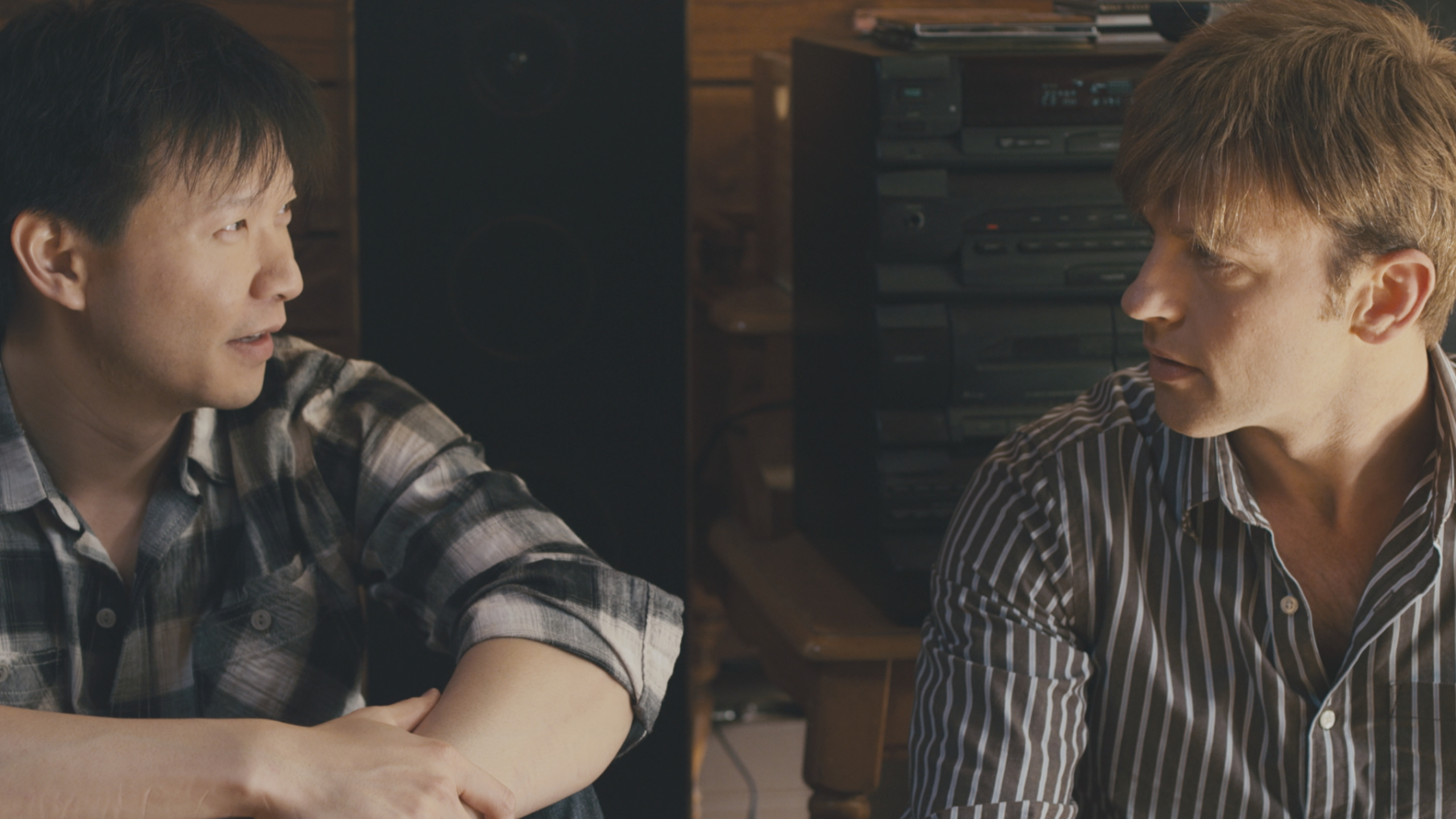
Also of note: Tad Nakamura’s Jake Shimabukuro Documentary, his first feature-length film that centers on the Okinawan-Hawai’ian ukelele wizard. The film follows up Tad’s short docs Pilgrimage,Yellow Brotherhood, and A Song For Ourselves and, although there were no advance screeners of the film, it promises to be as brilliant and moving as Tad’s earlier work. It’s great to know that not all Asian American filmmakers aspire to making narrative films, and Tad is following in the footsteps of Loni Ding, Steve Okazaki, Renee Tajima-Pena, Christine Choy, and his own parents, Bob Nakamura and Karen Ishizuka, all seminal Asian American filmmakers whose documentaries are the gold standard for Asian American cinema. The film festival will feature a program with Tad and his parents, A Conversation with the Nakamura Family, on Saturday, Mar. 10 at 3.30p, where science will surely be dropped.
Bonus: here’s a clip of Jake Shimabukuro from the upcoming documentary playing Queen’s Bohemian Rhapsody.
The San Francisco Independent Film Festival opens tonight at the Roxie Theater and as usual it’s a great chance to see movies that might never again get local theatrical screenings. The festival has gotten more global since its modest inception back in 1998, and this year’s lineup includes three Asian-themed features that demonstrate the SFIFF’s wide range of programming.
From India, director Q’s Gandhu (which roughly translates as “asshole,” “loser,” or “idiot’) is a punk rock, black-and-white opus that follows the daily misadventures of the title character. Gandhu wanders the mean streets of Kolkata with a perpetual scowl, existing in a nihilistic limbo as he fails to connect with most of humanity. Interspersed throughout the movie are short musical rants where Gandhu rails against the injustices in his life and generally blows off steam. Billed as “anti-Bollywood,” the movie is a fun, scruffy alternative to the glitzy, monolithic Hindi-language film industry.
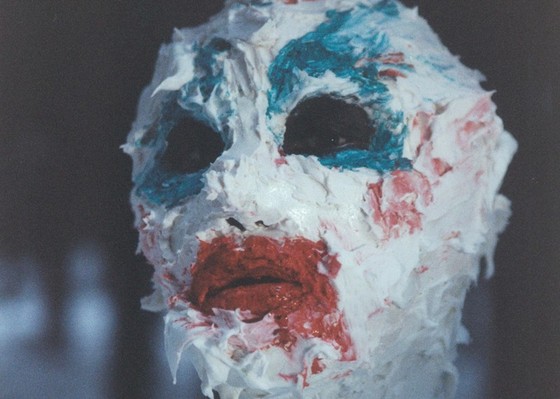
Cake frosting or psychosis? Monsters Club, 2011
Monsters Club deals with a crazed Japanese Unabomber who sees dead people. Bad boy filmmaker Toyoda Toshiaki became interested in Ted Kaczynski’s manifesto and out of that interest grew this dark meditation on life, death, suicide, technology, society and the state. Main character Ryuichi lives in an isolated, snow-covered mountain cabin where he bathes in an icy outdoor shower, cooks spartan meals of cabbage and brown rice, and builds deadly bombs in cigar boxes that he mails to entertainment and journalism CEOs. Yet despite its focus on a mad bomber the film isn’t action-packed—rather, it’s more like a voayge inside the head of the disturbed protagonist. After a visit from his younger sister Ryoichi begins to have visions of his dead brothers, one of whom committed suicide and the other who died in a motorcycle accident. The film’s stark white snowy landscape reflects the vastness of Ryoichi’s psychic anomie as he tries to come to grips with his own violent reaction to what he perceives as the corruption of modern society.
Girljock, No Look Pass, 2011
No Look Pass (dir. Melissa Johnson) follows Emily Tay, Burmese American basketball star for the Harvard women’s team, as she deals with pressures both on and off the court. Included in these are living up to the expectations of her immigrant Burmese parents, who hope she’ll marry rich and settle down after college. Emily’s got other plans, however, including romances with a cheerleader and a female soldier she meets in Germany while playing in the European leagues after graduation. The movie starts strong as Emily deals with the various challenges of her last year in college, but loses steam once she graduates and the narrative moves to Europe. The film also gives short shrift to the Asian American aspects of Emily’s story–at one point she states, “If it were up to me I’d rather be white,” but this startling statement isn’t really followed up. The film also discusses her Burmese parents’ flight from their homeland but doesn’t do much significant investigation into how their refugee experience might impact their aspirations for their children. Instead we see them as stereotypically demanding Asian parents, with (tiger) mom always scowling disapproval despite her daughter’s amazing accomplishments. There are, however, some excellent behind-the-scenes sports moments as we get to witness Emily’s Harvard coach and her coach in Germany both screaming profanities at their respective teams, a tactic that they apparently use to motivate their players.
Although I love the overwrought histrionics of commercial cinema (see Agneepath), that’s certainly not the only way to make a movie. Two films that have been on a lot of last year’s top ten lists have recently made their way to San Francisco cinemas. Nuri Bilge Ceylan’s Once Upon A Time In Anatolia and Asghar Farhadi’s A Separation are both riveting pieces of work that deal with the ambiguity and shades of gray found in complex moral situations
Despite a title that harkens back to Sergio Leone’s expressionistic spaghetti Westerns, Ceylan’s Anatolia is an understated, masterfully told story that sidesteps the conventions of most genre films. The film follows a group of local police through a long night on the Anatolian steppes as they search for the grave of a murdered man. The cops are reluctantly assisted by two perps whose memory of the crime wavers in and out of focus throughout the night.
Moral complexity, Once Upon A Time In Anatolia, 2011
As they drive around western Turkey’s vast landscape the police amiably debate the benefits of sheep versus buffalo yogurt, meticulously tot up mileage for reimbursement, and gossip about who among them might have prostate issues, among other mundanities. The narrative unfolds naturalistically, without a soundtrack, with some of the dialogue seemingly improvised or loosely scripted. Themes and plot points emerge slowly and sometimes indirectly—a character’s offhanded comment in one scene takes on great relevance later in the film. Such restraint and respect for the audience’s intelligence is a welcome change from the hamhandedness of most films, where exposition is a blunt instrument used to club the viewer into submission.
The film presents realistic, complex characters, with killers that weep remorsefully, cops that show compassion for criminals, and men who are overawed by the beauty of a young woman simply serving tea by candlelight. Ceylan’s direction brings a deft and subtle touch to the film—the movie concludes with a matter-of-fact autopsy with the unsettling sounds of the procedure, including cracking breastbones and dripping fluids, emphasizing the operation’s dehumanizing effect. Overall Ceylan’s direction is a lovely thing to behold, as he uses the policemen’s wanderings through the Anatolian countryside as a metaphor for the imprecision and ambiguity of humanity’s moral landscape.
While it also looks at the unclarity of human morality, A Separation’s briskly paced and intense storyline takes a different tack than Anatolia’s slower, more naturalistic tale. Farhadi’s political allegory/family drama starts in medias res, with a middle-class Iranian couple arguing their case directly to the camera (standing in for the off-screen judge). Simin, the wife wants a divorce in order to move to the United States against the wishes of Nader, her husband, who feels a duty and an obligation to remain in Iran to care for his Alzheimer’s-afflicted father. Simin pleads the urgency of going abroad in order to improve the life of their adolescent daughter Termeh, although the details of this necessity are not made clear. The judge dismisses her suit, and Simin decides to move to her mother’s house rather than stay with her husband. The film follows the aftermath of her decision, with this seemingly small action leading to unexpected, ever-broadening repercussions.
The film features an outstanding ensemble cast including Leila Hatami and Peyman Moaadi, who won Best Actress and Actor awards at the 2011 Berlin Film Festival for their portrayals of the conflicted couple. However the rest of the performances are also excellent, including Sareh Bayat as the devout woman that Nader hires to care for his father, and Shahab Hosseini as her hotheaded husband.
Divided, A Separation, 2011
Director Farhadi makes great use of his locations’ architecture, confining his characters in small, enclosed spaces that stifle communication and hinder movement. He also effectively utilizes windows and doors, often framing the actors separated or trapped behind panes of glass. Several times his characters slam or pound on a rattling, fragile stained-glass door, yet it resolutely resists shattering. The door thus becomes a symbol for the delicate yet impenetrable separations of class, religion, and gender that divide Iranian society.
Farhadi also successfully conveys the illogic of government bureaucracy in a chaotic trial that takes place in a cramped, crowded judge’s chambers. Witnesses shout at each other without hesitation, various people come and go, and criminal charges quickly escalate from theft to battery to murder based on hearsay, conjecture, and unproven accusations.
The film ultimately hinges on 11-year-old Termeh’s choice—which parent will she stay with? Her indecision becomes the crux of the film, symbolizing the impossibility of neatly resolving most human conflicts.
Like Once Upon A Time In Anatolia,A Separation eschews a Hollywood ending—loose ends dangle, storylines are unresolved, and characters remain in limbo. As in real life, clear and easy resolutions aren’t a part of the picture.
UPDATE: As expected, A Separation won for Best Foreign-language Picture at this year’s Oscars, following a similar award at the Golden Globes and, as expected, with Israel on the verge of bombing its irascible neighbor, (with the tacit approval of the U.S. government), the film’s increased profile is being spun by all sides. Although director Farhadi used his Oscar acceptance speech to make a plea for tolerance and understanding, the Iranian government claimed the award was a blow against “the Zionist lobby,” while Iranian hard-liner Masoud Ferasati called the film “the dirty picture (of Iran that) westerners are wishing for.” No doubt more mud will be slung on both sides of the propaganda war.
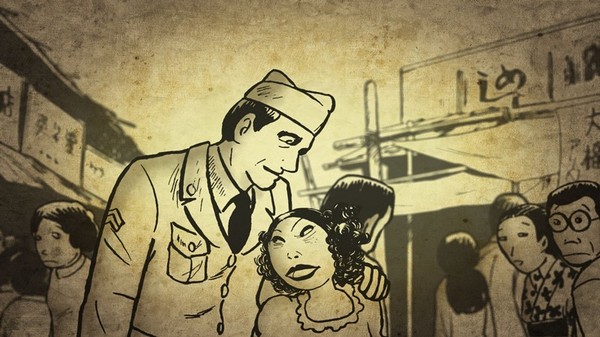
Tatsumi, 2011 San Francisco International Animation Festival
After World War Two Japan was a wreck, economically, physically, and psychologically, yet from those unquiet times came much brilliant and innovative creative work. The legendary Japanese comics artist Yoshiro Tatsumi emerged from this milieu, remaking the manga field and creating a new type of comics, gekiga, that was aimed at the adults rather than children.
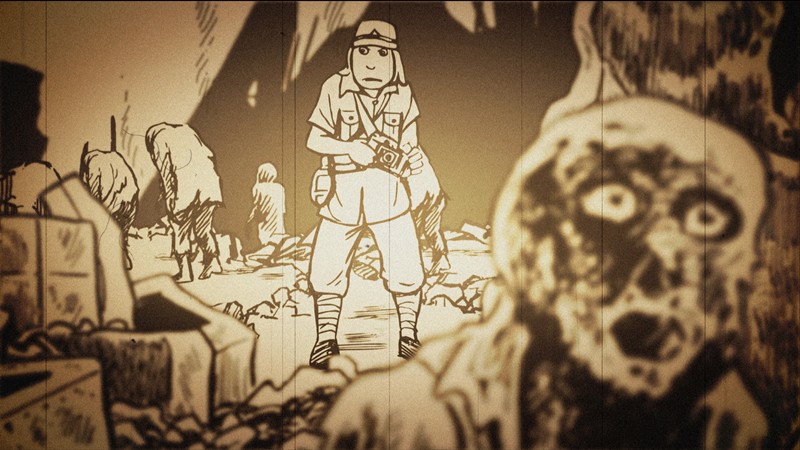
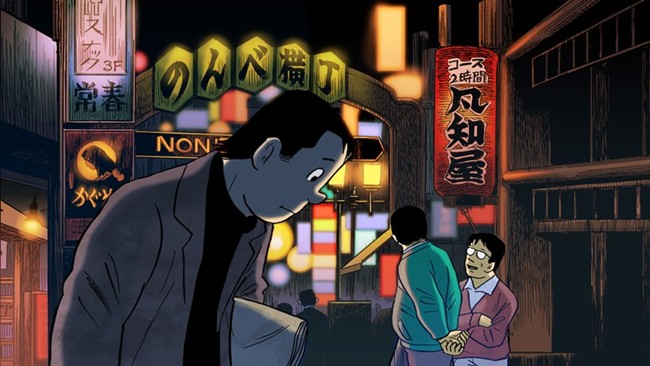
Tatsumi, Eric Khoo’s intriguing feature-length documentary about the master comics artist, screens this weekend as part of the San Francisco International Animation Festival. The film is an interesting hybrid as it both documents Tatsumi’s life as well as adapts several of his manga into short movies with the movie.
Tatsumi, 2011 San Francisco International Animation Festival
Tatsumi’s raw and gripping, beautiful manga are credited with revolutionizing the form in Japan in the 1950s. Post-World War Two Japan provides the backdrop for his stories and the spectre of a destroyed society attempting to rebuild constantly informs the tone of the work, with sorrow, inhumanity, and alienation the overriding themes. The five short stories animated in Tatsumi are mostly dark tales of human suffering, with protagonists who grapple with oppressive forces beyond their control. “Hell,” which looks at the horrors of the atomic bomb as well as the darkness within one person’s soul, “Beloved Monkey,” a parable about an ordinary man’s descent into misery and “Good-bye,” a tale of an emotionally and physically traumatized woman in postwar Japan, are all terribly sad and yet deeply compassionate stories. At the same time Tatsumi’s stories are leavened with a dark humor that acknowledges the foibles of everyday human existence, most notably in “Occupied,” a black comedy about a children’s book author with a taste for pornographic graffiti who falls into moral disgrace.
Khoo skillfully interweaves these bleak and sometimes harrowing tales with dramatized animated scenes from Tatsumi’s life that in some ways parallel the grim despair of his manga. Although he found some success as an artist as a young man, Tatsumi still grappled with the difficulties of everyday life in postwar Japan and his early career was shadowed by a jealous, bedridden brother who also had artistic aspirations.
Tatsumi, 2011 San Francisco International Animation Festival
Khoo worked closely with his subject on several aspects of the film, consulting with Tatsumi on the film’s color design and other elements of the project. Khoo also used a voiceover of Tatsumi himself recounting his life and work that is laid over animation based on the renowned artist’s visual style. In addition, Khoo took most of movie’s framing directly from the original manga panels, adding some layering and coloring effects but otherwise remaining true to Tatsumi’s compositions.
The result is an engrossing look at one of Japan’s most influential twentieth-century artists, one who used a popular medium to comment and reflect on some of the painful realities of Japan’s postwar existence. Tatsumi’s work is an excellent example of the way in which pop culture can serve both as a catharsis for and a critique of society’s ills.
San Francisco International Animation Festival
November 10–13, 2011
SF Film Society | New People Cinema
1746 Post Street, San Francisco CA 94115
Information: 415-525-8600
Full schedule, film descriptions, and tickets here.
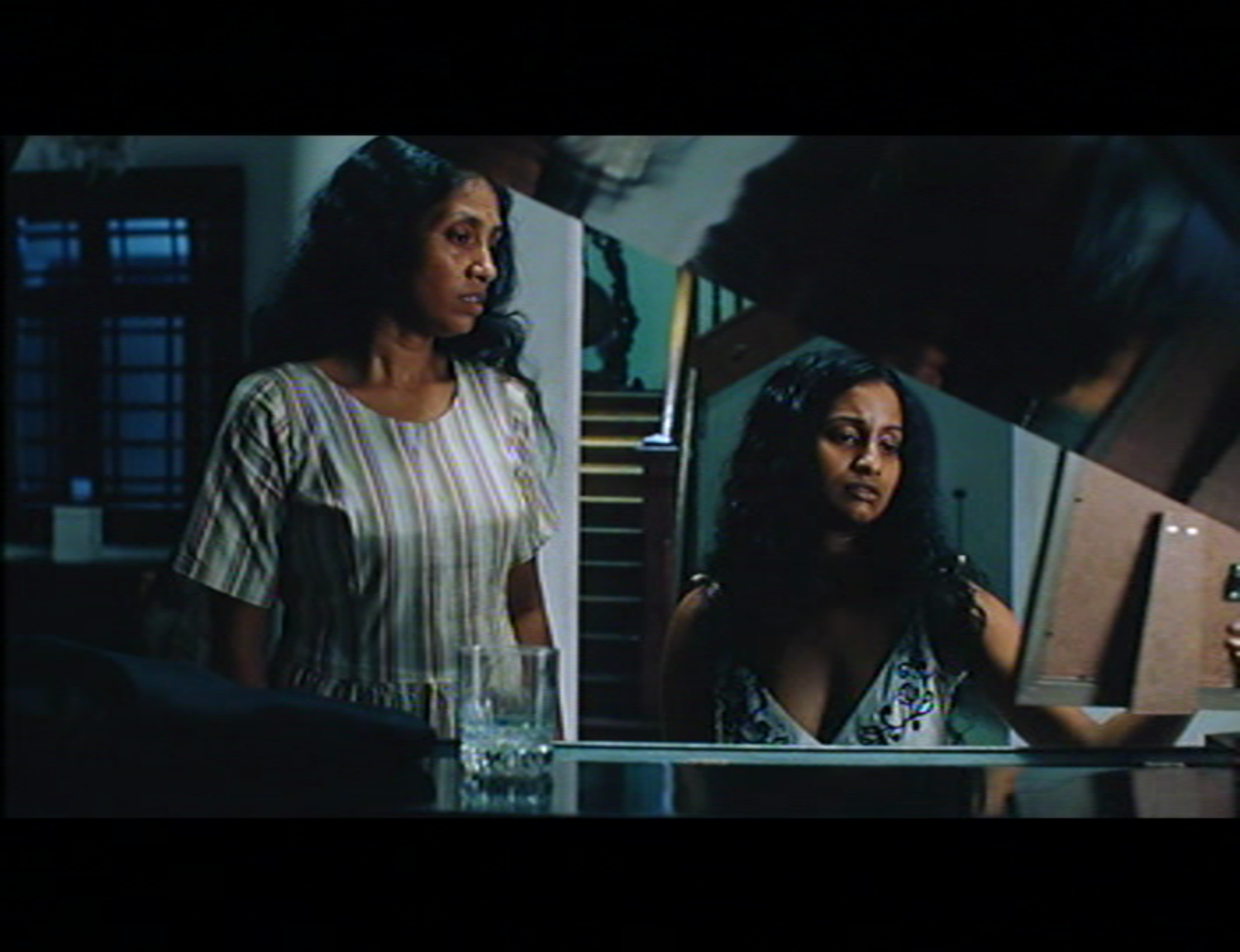
A Letter of Fire, 2011 Third I South Asian Film Festival
This Wednesday sees the opening of the 2011 Third I South Asian Film Festival here in San Francisco, which is one of the best chances to see local theatrical screenings of films from India, Bangladesh, Sri Lanka, Tibet, and the South Asian diaspora. The festival primarily focuses on movies outside of Bollywood’s massive scope, including documentary, narrative, experimental and short films.
According to 2010 U.S. census data, South Asians are the fastest growing Asian American subgroup and have surpassed Filipino Americans as the second-largest Asian American ethnicity. In California the Indian American community grew an amazing 68% between 2000 and 2010, to more than half a million people statewide. This population growth is reflected in the increasing desi flava in pop culture, from banal TV sitcoms like Outsourced to Das Racist showing up on the cover of Spin magazine.
Not to conflate an entire subcontinent’s creative outlet, but since Slumdog Millionaire won big at the Academy Awards back in 2009, the profile of South Asian films has also increased here in the US. Of course Indian-centric theaters such as the Big Cinemas multiplex in Fremont have been showing Indian movies for years, but since Slumdog ran the table at the Oscars, Hindi-language movies have been making more appearances at mainstream cinemas. Just last week, Shah Rukh Khan’s deliriously escapist sci-fi superhero movie Ra.One opened in select theaters across the U.S. and scored the highest per-screen gross of any film that weekend, beating out Puss In Boots and other Hollywood releases.
The Third I festival brings an eclectic mix of films to the Roxie and Castro Theaters. Opening night film Big In Bollywood is a fun, energetic documentary that captures some of the star mania of the commercial Indian movie industry. The movie looks at the experiences of Indian American actor Omi Vaidya, whose meteoric rise to fame in India follows a supporting role in Aamir Khan’s 3 Idiots, the highest grossing film of all time in India. Vaidya’s small but popular role allowed him a taste of the fanatical devotion Indians have for their film stars as the documentary follows Vaidya from his home in Los Angeles to the Mumbai premiere of 3 Idiots. The doc captures the rapid escalation of Vaidya’s public profile as the film smashes Indian box office records. At one point Vaidya makes an appearance to what looks like about 5,000 cheering fans lining several city blocks, reprising some of his lines from the film as the massive throng wildly cheers him on.
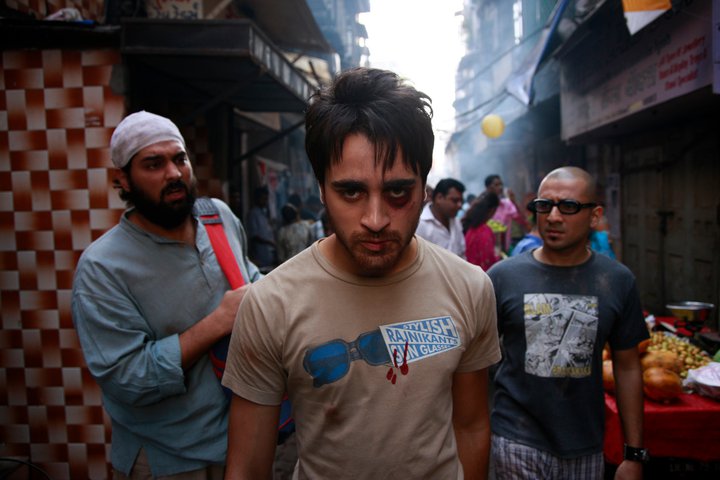
Disheveled Imran Khan, Delhi Belly, 2011 Third I South Asian Film Festival
The festival’s centerpiece movie, Delhi Belly, exemplifies a new breed of Bollywood movies far removed from the conventional Hindi-language film industry. A hilarious, fast-paced, and vulgar flick, Delhi Belly follows the misadventures of three twenty-something slackers as they chase down jewel smugglers, gangsters, and other marginal denizens in India’s capital city, with one of the main characters fighting the severe gastrointestinal dysfunction that gives the movie its name. Running a tidy two hours, the film has none of the song-and-dance numbers for which Bollywood is reknowned (except for one tongue-in-cheek OTT production over the end credits that guest-stars executive producer Aamir Khan) and owes more to The Hangover than Dilwale Dulhania Le Jayenge.
Indian American actor-director Ajay Naidu debut feature Ashes gives a desi spin to the venerable gangster genre. Set in New York City, the film follows a small-time pot dealer (also portrayed by Naidu) as he struggles care for his mentally ill brother while trying to resist falling deeper into the vortex of New York’s underworld.
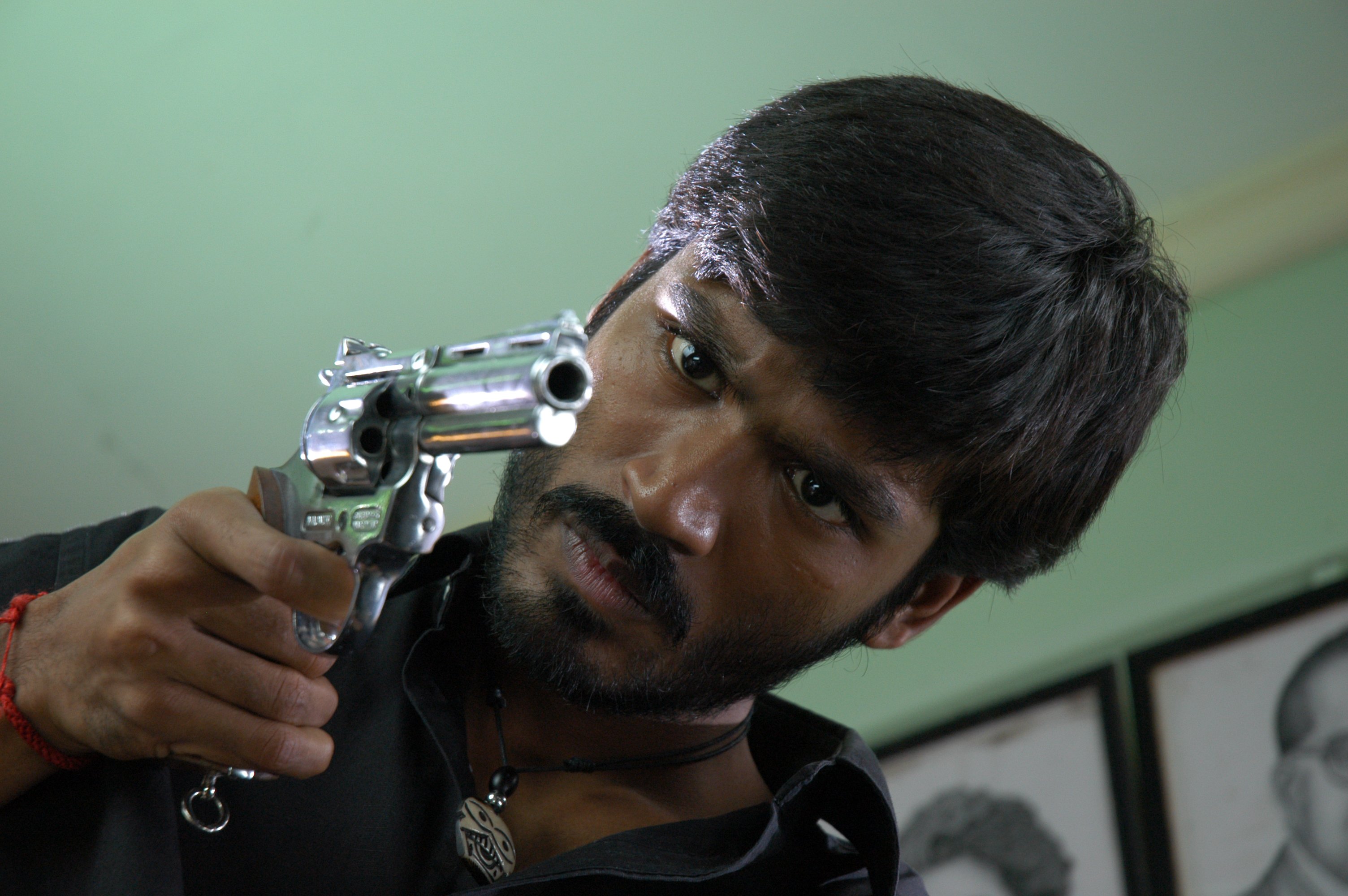
Dhanush & friend, Pudhupettai, 2011 Third I South Asian Film Festival
Closing the festival is the awesome-looking Tamil-language crime thriller Pudhupettai, starring the intense and feral Dhanush, which follows the rise of a Chennai gang lord. As seen in the clip below, the film manages to be gritty and realistic while also including outstanding dance numbers. Also notable are Vipin Vijay’s surreal feature length experimental narrative The Image Threads, and A Letter of Fire, Asoka Handagama’s gorgeous drama of a wealthy, twisted family in Sri Lanka. The festival also features two programs, The Boxing Ladies + Shorts: Gender/Sexuality in Frame, and The Family Circus: Local Shorts, which showcase often-overlooked short films.
While South Asian films have yet to completely break through to the mainstream in the U.S., the Third I festival is an excellent opportunity to see the wide range of production from the region and beyond, reflecting the growing desi influence in this country’s cultural landscape.
The 9th Annual 3rd I San Francisco South Asian Film Festival (SFISAFF),
November 10-13, 2011
Roxie Cinema & Castro Theater
Tickets, complete schedule, and film descriptions here.
Brilliant dance number from Pudhupettai, 2011 Third I South Asian Film Festival
Taiwanese cinema has produced several world-class filmmakers, including Hou Hsaio-Hsien, Edward Yang, and Tsai Ming-Liang, but fans of those arthouse titans would be hard-pressed to recognize the current crop of Taiwanese films now popular on the island nation. Cape No. 7 (2008), the second-highest grossing film in Taiwan of all time (just behind Titanic), was a frothy, melodramatic little flick that nostalgically recalled the Japanese occupation of Taiwan (!), and Monga (2010), another recent blockbuster, had more in common with Hong Kong’s gangster movies than Hou or Yang’s thoughtful, epic dramas. Taiwan’s biggest box office hit this year, popular novelist Giddens Ko’s adaptation of his book, You Are The Apple Of My Eye, is a coming-of-age comedy that’s light years from earlier Taiwanese arthouse fare.
Taiwan Film Days, the upcoming three-day festival at the San Francisco Film Society which is now in its third year, reflects the recent upswing in Taiwan’s commercial film industry and showcases its wide range of moviemaking styles and themes. Opening night film Formosa Mambo (2011, dir. Wang Chi-tsai )bears no relation to Hou Hsiao-Hsien’s Millenium Mambo, and in fact, other than its country of origin, is pretty much unrelated to the Taiwanese auteur in any way. A quirky and breezy movie that touches lightly on the Taipei underworld, the story follows several characters including a gang of incompetent kidnappers, an underemployed businessman running a popcorn chicken stand, and a group of shady entreprenuers involved in a telephone scam. After the kidnappers snatch a schoolkid various hijinks ensue, with the hapless gang attempting to collect ransom from the kid’s recalcitrant single mom, who can ill-afford the modest ransom. The film’s interlocking stories comment on fate and free will against a backdrop of modern-day Taiwan.
Gangsters, Ranger, 2011
Ranger, (2010) a much darker gangster movie, closes the festival. Wen-Sheng, a convicted killer, is released from prison after 25 years and finds himself immediately re-enmeshed in the hard-knock life. A gritty and observational crime drama, Ranger is also a character study of a man seeking redemption after a wasted life. Director Chienn Hsiang makes good use of the mean streets of Taipei and the film’s handheld camerawork underscores the everyday brutality of Sheng’s woeful existence. Lead actor Wu Pong-fong effectively conveys the resilience of his worn down but not yet defeated character.
Honey Pu Pu (2011, dir. Chen Hung-i) presents a dreamy, visually imaginative view of Taiwanese society, following a group of young groovesters as they ramble the streets of Taipei apparently in search of the a totemic beehive. The screener DVD that I tried to view was alas very janky and I wasn’t able to watch the film in its entirety but the little I saw was engaging, full of pretty young art-student types blithely wandering through trippy, experimentally framed cityscapes.
Groovesters, Honey Pu Pu, 2010
Also notable at the festival are Giddens’ aforementioned hit film (although both screenings have gone to rush), as well as the intriguing documentary Taivalu (2011, dir. Huang Hsin-yao), which looks at the effect of climate change on the southern Taiwan city of Tainan, and Pinoy Sunday (2009, dir. Ho Wi-ding), a comedy that follows the travails of a pair of Filipino immigrants in Taipei. The festival opens with two screenings of Formosa Mambo sandwiching a reception and party.
Taiwan Film Days
October 14–16, 2011
San Francisco Film Society | New People Cinema
1746 Post Street, San Francisco, CA
(415) 561-5000
Tickets and full schedule for Taiwan Film Days here.
Andy Lau, sleuthing, Detective Dee and the Mystery of the Phantom Flame, 2010
Two more Chinese-language films have their theatrical releases in San Francisco, and, although they are completely different in subject, tone, and treatment, both are testaments to the vitality of the new Chinese cinema.
City of Life & Death, dir. Lu Chuan, 2010
My head was spinning when I walked out of the screening for City of Life and Death, Lu Chuan’s devastating and uncompromising look at the Rape of Nanking (or Nanjing). City of Life and Death is an unflinching look at the infamous Japanese occupation and destruction of the Chinese capital in 1938–the film is a stellar example of the ways in which cinema can both explicate and elevate events from real life. Lu masterfully utilizes wide-screen, black and white, mostly hand-held cinematography, subtle and emotional performances, and a story structure that precludes simplistic nationalism.
Civilians, City of Life and Death, 2010
At the very start in the first hour of the film Lu kills off one of the main characters, forcefully undermining any pretense of a conventionally told story and serving notice that the film will be merciless in the treatment of its characters. As in the real-life occupation of Nanjing, no one is safe and no one will be spared from the casual brutality of wartime and the mentality it fosters. The film also refuses to focus on acts of heroism, although though there are brave and unselfish acts throughout the film’s 2.5 hour running time. No single character is a savior, nor are there any simple answers to the inhuman violence that was perpetrated upon the citizens of Nanjing.
As a Chinese filmmaker Lu makes the unusual choice of presenting the well-known story, which has been used in China to demonize Japan, in part through the eyes of Kadokawa, a Japanese soldier. The opening shot of the film is a close-up of the wide-eyed and impressionable Kadokawa’s terrified face as he and his fellow Japanese soldiers prepare to storm the walls of Nanjing. Kadokawa’s horrified responses to the violence surrounding him as well as the pivotal choices he makes at the end of the film belie any condemnation of the Japanese as inherently bestial or subhuman, The film refuses to lay the blame for the events in Nanjing on inborn flaws in the Japanese national character, instead placing responsibility on the insanity of militarism itself.
Atrocities, City of Life and Death, 2010
Viewers shouldn’t be deterred by the grim subject matter as this is filmmaking of the finest order. The wide screen black and white cinematography underscores the huge scope of the atrocities, and director Lu Chuan understands the value of a long, long take in creating an almost unbearable tension. The performances are also uniformly outstanding. Liu Ye is excellent in his brief but significant role as a pragmatic Chinese officer, utilizing his sensitive, evocative face to great effect. Wei Fan is also very effective as a bureaucrat working for the Germans who realizes too late that his position does not grant him immunity from the horrors around him.
A scene near the end of the film where the Japanese soldiers perform a celebratory dance underscores the violent group psychosis of war. While taiko drummers beat out a mournful cadence, the crouched-over soldiers move through the rubble-filled streets with blankly fierce expressions on their youthful faces. After the screen carnage of the past two hours their procession seems like an exercise in group insanity as the men move in hypnotic lockstep, driven by a rhythm dictated to them and with little will of their own. The scene becomes a grim and surreal commentary on the collective madness of war and the indoctrination that makes young men such as Kadokawa into unfeeling, obedient machines of destruction. This image and many others in City of Life and Death make the film absolutely essential viewing, The film’s current theatrical release makes it possible to experience it on the big screen, where its vast and detailed rendering can completely engulf the viewer and magnify its cataclysmic impact.
Detective Dee and the Mystery of the Phantom Flame, dir. Tsui Hark, 2010
Andy Lau investigates, Detective Dee and the Mystery of the Phantom Flame, 2010
A film epic of a completely different sort than City of Life and Death, Tsui Hark’s extravagantly fun and fantastic movie is another example of the outstanding product coming out of China and Hong Kong. Like Benny Chan’s Shaolin, Detective Dee is a brilliant blending of traditional Hong Kong moviemaking with the super-high production values of recent mainland films.
Detective Dee is very loosely based on the exploits of real-life historical figure Di Ren-jie, also known as Judge Dee, who has been the subject of several Hong Kong and Chinese films, books, and television series. Here Dee is played by the ageless Andy Lau, as an implacable sleuth assigned to determine the cause of a spate of spontaneous human combustion.
Carina Lau plays another historical figure, Wu Zetian, who was the only woman to ascend to the Chinese imperial throne. Both Andy and Carina, who started their careers at TVB long ago in the 1980s, are excellent as the titular sleuth and the Empress who may or may not be his adversary. Carina Lau holds the distinction of being one of the only actresses of her generation (along with Maggie Cheung and Michelle Yeoh) who is still working, and she brings a presence and authority to her role. Andy Lau has turned into an excellent screen actor and his ability to convey thoughtfulness and depth (despite his incredible good looks) is a result of his experience in more than a hundred films. He’s not afraid to take roles that emphasize his maturity, as seen here and in Shaolin, which is a nice testament to his graceful aging.
Phatasmagoria, Detective Dee and the Mystery of the Phantom Flame, 2010
As expected from a Hong Kong fantasy film, Detective Dee includes a surfeit of cleverly staged action set pieces, underscored by director Tsui’s fantasmagoric set designs and kinetic camerawork. But Detective Dee moves beyond earlier Hong Kong films’ visual realizations with its excellent use of extensive digital effects. The world of digital effects has finally caught up to Tsui’s gloriously saturated cinematic vision and in Detective Dee he makes the most of them. Whereas Tsui’s 1990s fantasy classics such as Green Snake featured charmingly unconvincing rubber prosthetics and matte paintings, Detective Dee has the advantage of a full slate of DFX, here outsourced to a well-known Korean effects house. Tsui utilizes this to full effect in realizing his lavishly imaginative vision, which includes transmogrifying faces, a herd of talking (and fighting) deer, characters convincingly immolating from the inside out, and a skyscraper-sized statue of a female bodhisattva.
At the same time Tsui doesn’t let the digital madness take precedence over plot or characterization. The film’s story is a clever and well-developed mystery, and Andy Lau, Carina Lau and Li Bing Bing portray intriguing and complex characters. Tony Leung Kar-Fei is excellent as a revolutionary with a long grudge against the empress. In fine Hong Kong movie tradition, Li and Andy Lau court and spark as conflicted would-be lovers separated by duty and circumstance. As is his wont, Tsui also throws a bit of political commentary into the mix in his critique of the corruption of power.
Detective Dee won Best Director and Best Actress statues at the most recent Hong Kong Film Awards and represents a comeback of sorts for longtime auteur Tsui. Although it was financed by mainland Chinese money and performed in Mandarin, Detective Dee is still a Hong Kong movie through and through, and is an outstanding example of what might come from the integration of mainland and Hong Kong commercial cinema.
City of Life & Death
opens Fri. Sept. 23, 2011
Landmark Opera Plaza Cinema
601 Van Ness Ave.
San Francisco, CA 94102
(415) 267-4893
Detective Dee and the Mystery of the Phantom Flame
now showing
Landmark Embarcadero Cinema
One Embarcadero Center, Promenade Level
San Francisco, CA 94111
(415) 267-4893
Landmark Shattuck Cinema
2230 Shattuck Avenue
Berkeley, CA 94704
(510) 464-5980
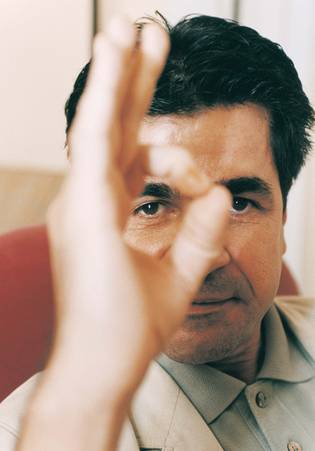
The Berlinale opened this week and the film festival posted on the front page of its website a powerful and poignant letter from jailed Iranian filmmaker Jafar Panahi, whom the Iranian government recently sentenced to six years in prison and banned for twenty years from making films, for supposedly plotting against the regime. In his letter Panahi states, “The reality is they have deprived me of thinking and writing for twenty years, but they can not keep me from dreaming that in twenty years inquisition and intimidation will be replaced by freedom and free thinking.”
It’s heartbreaking to think that an artist as talented as Panahi and as outspoken in his support of human rights might be muzzled for two decades. I’ve only seen his three most recent films but each of them are both innovative and imaginatively made movies as well as clear, uncompromising critiques of social inequities in Iran and beyond. The Circle (2003) savagely exposes the gender inequities in the lives of Iranian women. Crimson Gold (2003), written by fellow Iranian director Abbas Kiarostami, concerns an everyday pizza delivery man whose daily humiliations by the ruling class eventually push him over the edge. Offside (2006) also takes on gender roles in modern-day Iran, framing its story against the runup to the World Cup.
The international film community, as evidenced by the Berlinale’s decision to leave a symbolically empty chair for Panahi on its jury panel, has been vocal in its opposition to his sentence, but it remains to be seen if the Iranian government will bow to public pressure to release Panahi or reduce his sentence.
Panahi has been eloquent in his own defense, noting in an interview in August, ““When a filmmaker does not make films it is as if he is jailed. Even when he is freed from the small jail, he finds himself wandering in a larger jail. The main question is: why should it be a crime to make a movie? A finished film, well, it can get banned but not the director.”
David Wojnarowicz, still from "A Fire In My Belly," 1987
Though Panahi’s sentence may seem shockingly excessive, we here in the U.S. shouldn’t forget that culture wars are still being fought in this country as well. In October 2010, conservative Reps. John Boehner, R-Ohio(now Speaker of the House) and Eric Cantor (R-Virginia) targeted the inclusion of the late artist and AIDS activist David Wojnarowicz’s short experimental film A Fire in My Belly in the show Hide/Seek: Difference and Desire in American Portraiture at the Smithsonian’s National Portrait Gallery. Citing a brief passage from the film in which ants are seen crawling over a wooden crucifix, Boehner called the exhibit “an outrageous use of taxpayer money and obvious attempt to offend Christians during the Christmas season.” Skittish Smithsonian curators quickly pulled the film from the show, to the outrage of much of the art world (the Warhol Foundation threatened to withdraw its funding from the museum). As with early 1990s attacks on NEA-funded artists by Sen. Jesse Helms, another far-right stalwart, the current assault attempts to silence what the right considers a dangerously subversive perspective, that of a gay man who dared to include religious iconography in his work. It’s one more volley in the ongoing attempt by the right to control the cultural discourse of the U.S.
Perhaps more so that the left, the right wing keenly understands the ability of art and culture to sway public opinion. As Jeff Chang and Brian Komar so astutely note in Vision: How We Can Beat Conservatives With Progressive Culture, their excellent essay on alternet.org about what they term “cultural strategy,” “When artists tell new stories, they can shift the culture and make new politics possible.” There’s a reason why conservatives are once again agitating to de-fund the Corporation for Public Broadcasting, National Public Radio, and the National Endowment for the Arts, and it’s not because they don’t like the tote bag they got with their membership pledge. It’s because the right understands that by controlling arts, culture and media outlets, and by extension controlling the master narrative, it can control the social and political landscape as well. As Mao Zedong famously stated, “[Our purpose is] to ensure that literature and art fit well into the whole revolutionary machine as a component part, that they operate as powerful weapon for uniting and educating the people and for attacking and destroying the enemy.” (Talks at the Yenan Forum on Literature and Art, May 1942) Change “revolutionary” to “conservative” and “enemy” to “Democrats” and this quote could be straight from the latest installment of Fox News.
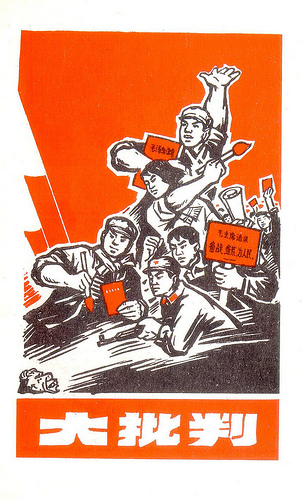
Poster, Cultural Revolution, ca. 1971
Mao had a good reason to fear the millions of artists and intellectuals that he exiled to hard labor in the countryside during the Cultural Revolution. He understood the power of art to shape popular thought and sway political opinion, as does the Republican brain trust that has been fighting for control of the arts and culture of this country for decades, and as does the ruling party in Iran that has chosen to silence Jafar Panahi.
So while we wring our hands over the fate of Panahi, we should keep in mind that we’ve immersed in a culture war here in our own backyard as well. Rush, Sean, and Bill aren’t just harmless kooks mouthing off on cable tv, but are significant bully pulpits of the right-wing thought-control machine. It’s no accident that in the dire hours of the Egyptian revolution this past month, then-President Mubarak immediately moved to shut down Internet access, repress independent media outlets, and harass journalists. The power to define and shape the cultural narrative, whether through art, media, or information exchange, is the new high ground in the battle for ideological and political power.
UPDATE: Jafar Panahi has just been awarded the Carrosse d’Or (Golden Coach) at the 2011 Cannes Film Festival, which is awarded for “innovative qualities, courage and independent-mindedness.” Cannes will screen Offside on May 12 and will keep an symbolically empty chair in the theater for Panahi.













 beyondasiaphilia
Recent Comments