Posts tagged ‘lgbtq+’
Ballroom Blitz, Frameline 50 festival review

The Frameline Film Festival always is the lead-up to Pride Weekend in San Francisco and as such it’s a cinematic expression of all things queer on screen. I caught a few shows this year that demonstrated the breadth and depth of the LGBTQ+ in the 21st century.
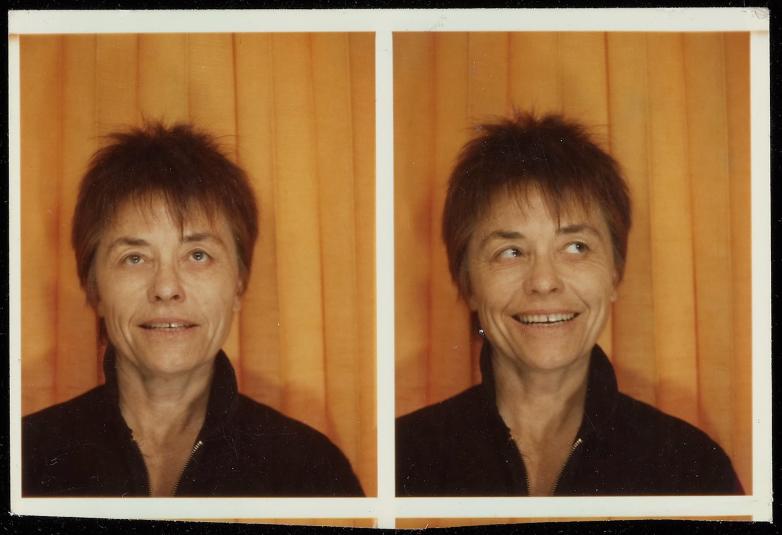
Barbara Forever (2026) is an energetic look at the life and times of iconic lesbian experimental filmmaker Barbara Hammer that vividly captures Barbara’s irrepressible personality. Hammer prolifically documented her life, both public and private, and director Birdie O’Connor draws on that vast well of imagery, along with audio recordings of Hammer that clearly demonstrate Hammer’s own understanding of the significance of her work and her legacy. A queen of lesbian cinema, Hammer also broke barriers in the mostly male-dominated experimental film scene with her unabashedly female-centric work.

In Rock Out (2025), director Dustin Lance Black (who won an Oscar for his screenplay for MILK) deconstructs the queer aesthetic that shaped rock and roll, from its earliest days of Elvis to the present day. The film spends a lot of time on the 60s and 70s classic rock era, and makes a strong case for the argument that gay male managers such as Brian Epstein, Robert Stigwood, and John Reid (who was also Elton John’s significant other for many years), played a massive part in imparting a queer sensibility into rock music. As one observer notes, the 1970s rock scene was a whole bunch of straight people trying to look gay, which is in ironic contrast to the many closeted queer performers who were trying to pass for straight. Woven through the extensive archival footage of rock royalty such as Dusty Springfield, David Bowie and Queen is the story of Black searching for answers about his brother Marcus, a rocker dude who had a fraught relationship with his own gay identity. The film sticks exclusively with Western rock music and looks at mostly white male subjects, although it does touch briefly on Little Richard and Ma Rainey, so it doesn’t necessarily break a lot of new ground. But Black does a good job connecting a lot of different dots and bringing together a vast amount of archival footage, so it’s a fun and enjoyable timepass. Rock Out will stream on revry.com as a 4-part docuseries starting on August 30th.
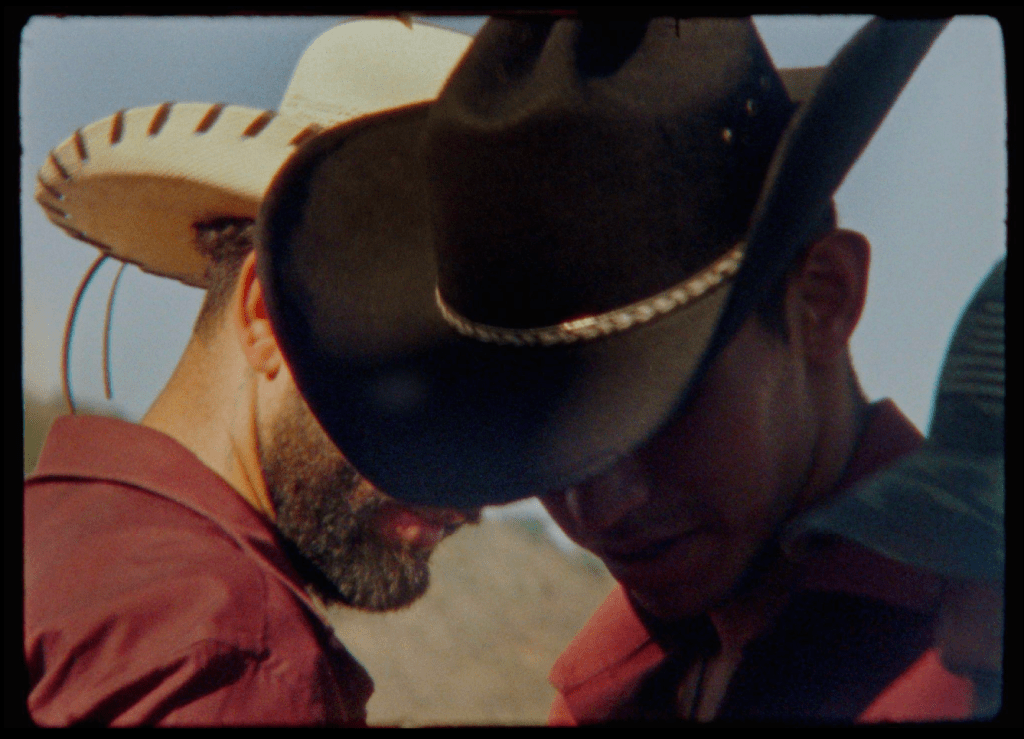
I also caught Efraín Mojica and Rebecca Zweig’s documentary Jaripeo (2026), which looks at the experiences of gay rodeo cowboys in Michoacan Mexico. The film is beautiful, imaginative, and sexy, and presents a multilayered, thoughtful look at its subject matter. Mojica and Zweig create an impressionistic mood, combining a non-linear storytelling style with atmospheric imagery that reflects Mojica’s background as a visual artist and Zweig’s as a poet.

One of my favorite films about the queer experience that was inexplicably not included in Frameline was Kim Anno’s Quba! (2025), which I saw at the Elmwood Theater as part of a series sponsored by the Berkeley Film Foundation. Anno celebrates the LGBTQ community in Cuba as it pushes back against macho culture, the Church, and other oppressively retrograde attitudes. The film vividly captures the exuberant spirit of its various subjects as they celebrate their lives and their communities through music, dance, art and living.
Rise Up: Frameline San Francisco International LGBTQ+ Film Festival review

Because shit is so chaotic in the US right now I almost forgot about the Frameline LGBTQ+ film festival this year, but fortunately a friend reminded me that it was happening. I was lucky enough to do a quick pivot and catch a few select films at the festival.
The Hong Kong indie film Queerpanorama, directed by Jun Li, was definitely the edgeist of the films I saw. I’ve seen two of Jun Li’s previous films, Tracey (2021) and Drifting (2021), both of which focus on people on the margins of society in Hong Kong, and Queerpanorama follows in the same vein.
The premise is simple: A young guy in Hong Kong has a series of one-nighters with a variety of men. He asks them a bit about their life story before sex, then assumes their identities with the next hookup. It’s actually more benign than it sounds, without being overly dramatic or sensationalistic and in some ways it shows how we take on parts of everyone we encounter. It’s also about finding connections in a busy, anonymous city. The film captures the loneliness of modern life, as embodied by the fragility and strength of lead actor Jayden Cheung’s delicate physicality.
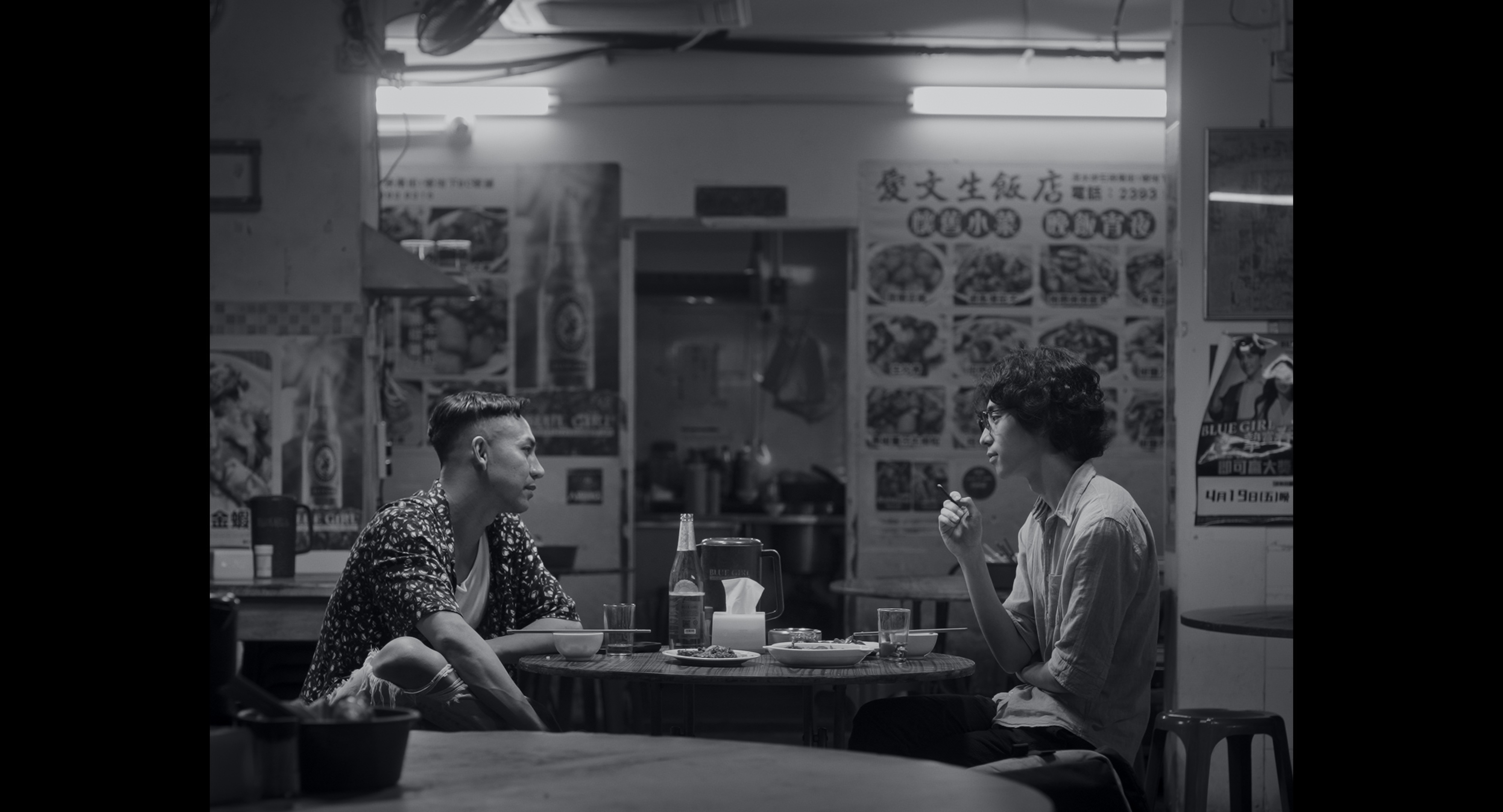
The conversations in the film are quite tender, often contrasting with the vigorous sex scenes that follow them, and the film emphasizes that the talking and the fucking are just two different ways of trying to connect. At the same time, the main character always keeps his distance, pointedly mentioning his boyfriend as well as specifying that each encounter is a one-off. The character endlessly circles, never fully engaging despite the physical intimacy, underscoring the difficulty of truly engaging in these times.

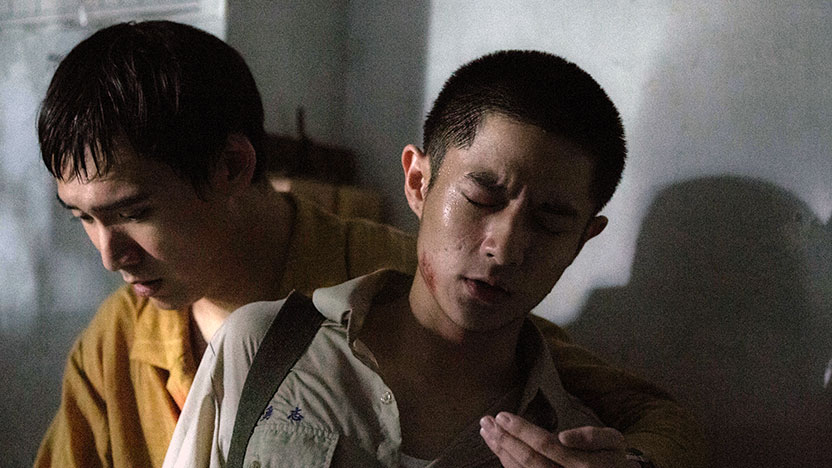
Taiwan’s Silent Sparks (dir. Ping Chu) is much more conventionally styled, a moody and brooding film that recalls classic film noir, but queer. An ex-con gets out of prison and tries to adjust to life on the outside but the world of crime keeps calling to him. The twist here is that the film explores the homosociality of prison and gangster films and reveals the unspoken homoeroticism in many of them. It’s a classic crime film setup but it says the quiet part out loud.
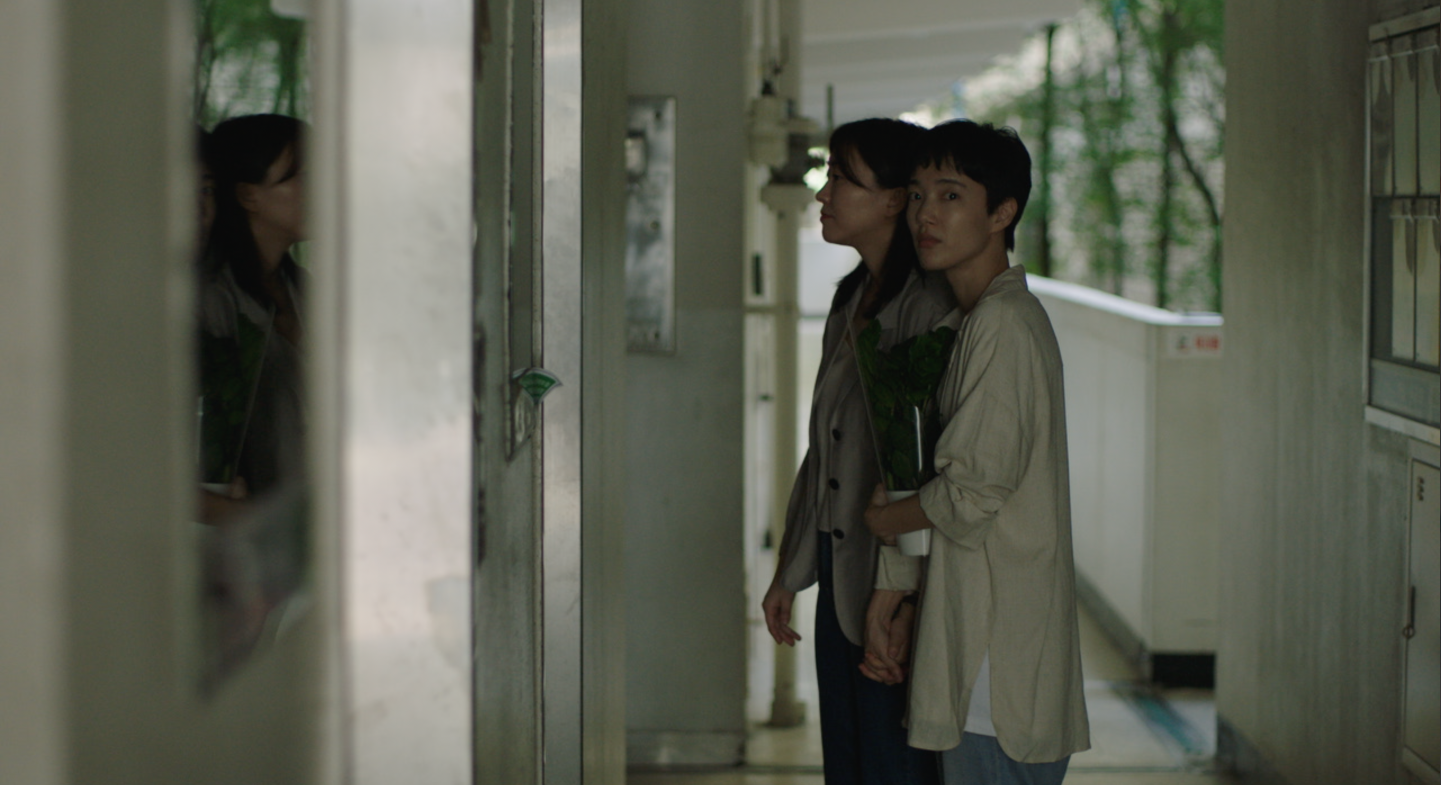
The South Korean narrative Lucky, Apartment (dir. Kangyu Garam) follows a lesbian couple in Seoul dealing with societal expectations, metaphorically represented by a very stinky apartment just below theirs. The film cleverly connects past and present and ultimately demonstrates the significance of chosen family and creating community across generations. Director Kangyu Garam uses a light touch in her critique of homophobia, societal pressures to marry, gender roles, and other issues facing queer women in Korea.

Jota Mun’s documentary Between Goodbyes follows Mieke, a queer South Korean adoptee as she navigates between her Korean family and her life in the Netherlands, where she was raised by a deeply religious single mother. A much harsher critique of the capitalist system that promoted Korean adoptions than Deann Borshay Liem’s groundbreaking Korean adoptee film First Person Plural (2000), the film is an intersectional look at the ongoing impact of international adoption.
I also caught the shorts program It’s a Family Affair, which included a handful of Asian films.

Tara (dir. Ashutosh S. Shankar) follows the story of a transfemme in India who starts dating a hunky new man, but the kicker is that his family isn’t opposed to her based on her trans identity but on the fact that she’s dalit and he’s brahmin. The film is a sensitive look at caste-based prejudice in India.
Correct Me If I’m Wrong (dir. Hao Zhou) is a quirky little look at the lengths a Chinese family will go to in order to straighten up the girly boy scion of the family, including various traditional remedies that attempt to cure what ails him. The results, however, are dubious.

Grandma Nai Who Played Favorites (dir. Chheangkea) is a droll and entertaining tale of the foibles of the ghost of a Cambodian grandma who reappears to comment on her queer grandson’s impending nuptials to a woman.

The highlight of the festival for me was Rashaad Newsome and Johnny Symons documentary Assembly, which follows the creation of Newsome’s multi-layered Afrofuturist performance piece of the same name. Although Newsome and Symons are very different types of filmmakers their collaboration on Assembly somehow managed to effectively mesh their very disparate aesthetics. During these grim times in the US and beyond it was a tonic to see a piece of art that addressed difficult questions with joy, hope and beauty. I entered the film in a very dark state of mind and left afterwards uplifted and inspired.
During his introduction to Queerpanorarma, director Jun Li spoke about the optimism and happiness he witnessed visiting Frameline in 2015 when the community was celebrating the legalization of gay marriage, as compared to now, when things both in Hong Kong and the US are much more dire. We are definitely in some rough waters right now but events such as Frameline offer hope that creativity, joy, and passion will somehow see us through.
Love Is The Only Way (愛是唯一): Taiwan Showcase at Frameline 45

Frameline 45 is in full swing and this year’s festival marks a return to limited in-person screenings, along with a full slate of programs available to stream online.
This year’s program includes a segment focusing on films from Taiwan. The first Asian nation to legalize same-sex marriage, Taiwan is one of the most queer-friendly countries in the region, as evidenced by its large and popular Pride parade every year.

Frameline 45 includes several features and shorts from the island country, including the gender-bending Shakespeare adaptation As We Like It (揭大歡喜), directed by Hung-i Chen and Muni Wei. Loosely based on As You Like It, The Bard’s iconic cross-dressing play, the film takes place in a slightly futuristic Ximending, one of Taipei’s artsy hipster neighborhoods, which in the film is a no-internet, gender-free zone. In a twist on the Shakespearean tradition of excluding women from performing on the stage, the entire cast is female. The players are cute and charming queer folks working on relationship issues and the film’s mood and tone are a sweet celebration of finding true love.

On a much more poignant tip is Dear Tenant (親愛的房客), directed by Cheng Yu-chieh (鄭有傑), which is a delicate and sensitive story of a man caring for his dead lover’s son and sick mother. When the mother passes away the legal complications of his unclear status act to prevent him from continuing to care for the son. The film is nicely wrought, with sensitive performances from the leads including Mo Tzu-yi (莫子儀), and Chen Shu-fang (陳淑芳), both of whom acting awards at the 57th Golden Horse Awards last year, as well as Runyin Bai as the 9-year-old You-Yu. Neither overly sentimental nor melodramatic, this dramatic narrative explores the gray areas of the law and biases against gay couples when the custody of a child is involved.
The short film program Taiwan Shorts, which is streaming for free, includes four films that are very different from each other. Unnamed (未命名) directed by Gao Hong & Chang Chun-Yu looks at the fluidity of queer identity through a naming conceit, with fun performances from the two young leads. Taiwan Pride for the World (世界驕傲在台灣), directed by Larry Tung, documents Taipei’s 2020 Pride Parade which due to the COVID-19 pandemic was possibly the only one to take place in the world that year. At the time Taiwan had a very low incidence of coronavirus and LGBTQ+ organizers there decided to hold a parade in honor of those around the world who couldn’t. Since then Taiwan’s COVID-19 situation has reversed so it’s bittersweet to view this film from a June 2021 perspective.
Hidden (迷藏), directed by Kuo Hsuan-Chi, follows a young teenage boy as he struggles to navigate the waters of his sexuality while trying to avoid predatory online hookups and catfishers. Undercurrent (宵禁), directed by Weng Yu-Tong, is almost dialog-free, creating a moody, smexy atmosphere. The film follows the smoldering cigarettes and smoldering desires of two young men playing cat-and-mouse during martial law in Kaoshiung.
Each of these films gave me the Taiwan feelz, as they emphasize the specific culture, language, geography, and architecture of Taiwan. The films include shots of the distinctive tile-covered buildings, the humidity and fog, the green mountains, the scooter-covered streets, and the neighbors bringing garbage out to the garbage truck in pink plastic bags, which are details that all scream Taiwan. The films are a window into Taiwan’s singular vibe and delineate the many distinctive elements that make up the island nation.
All films in the Taiwan showcase, which also includes Arvin Chen’s outstanding 2013 romcom Will You Still Love Me Tomorrow, will be streaming through June 27, 2021 on Frameline’s online platform.


Recent Comments