Rise Up: Frameline San Francisco International LGBTQ+ Film Festival review
July 11, 2025 at 6:08 am Leave a comment

Because shit is so chaotic in the US right now I almost forgot about the Frameline LGBTQ+ film festival this year, but fortunately a friend reminded me that it was happening. I was lucky enough to do a quick pivot and catch a few select films at the festival.
The Hong Kong indie film Queerpanorama, directed by Jun Li, was definitely the edgeist of the films I saw. I’ve seen two of Jun Li’s previous films, Tracey (2021) and Drifting (2021), both of which focus on people on the margins of society in Hong Kong, and Queerpanorama follows in the same vein.
The premise is simple: A young guy in Hong Kong has a series of one-nighters with a variety of men. He asks them a bit about their life story before sex, then assumes their identities with the next hookup. It’s actually more benign than it sounds, without being overly dramatic or sensationalistic and in some ways it shows how we take on parts of everyone we encounter. It’s also about finding connections in a busy, anonymous city. The film captures the loneliness of modern life, as embodied by the fragility and strength of lead actor Jayden Cheung’s delicate physicality.
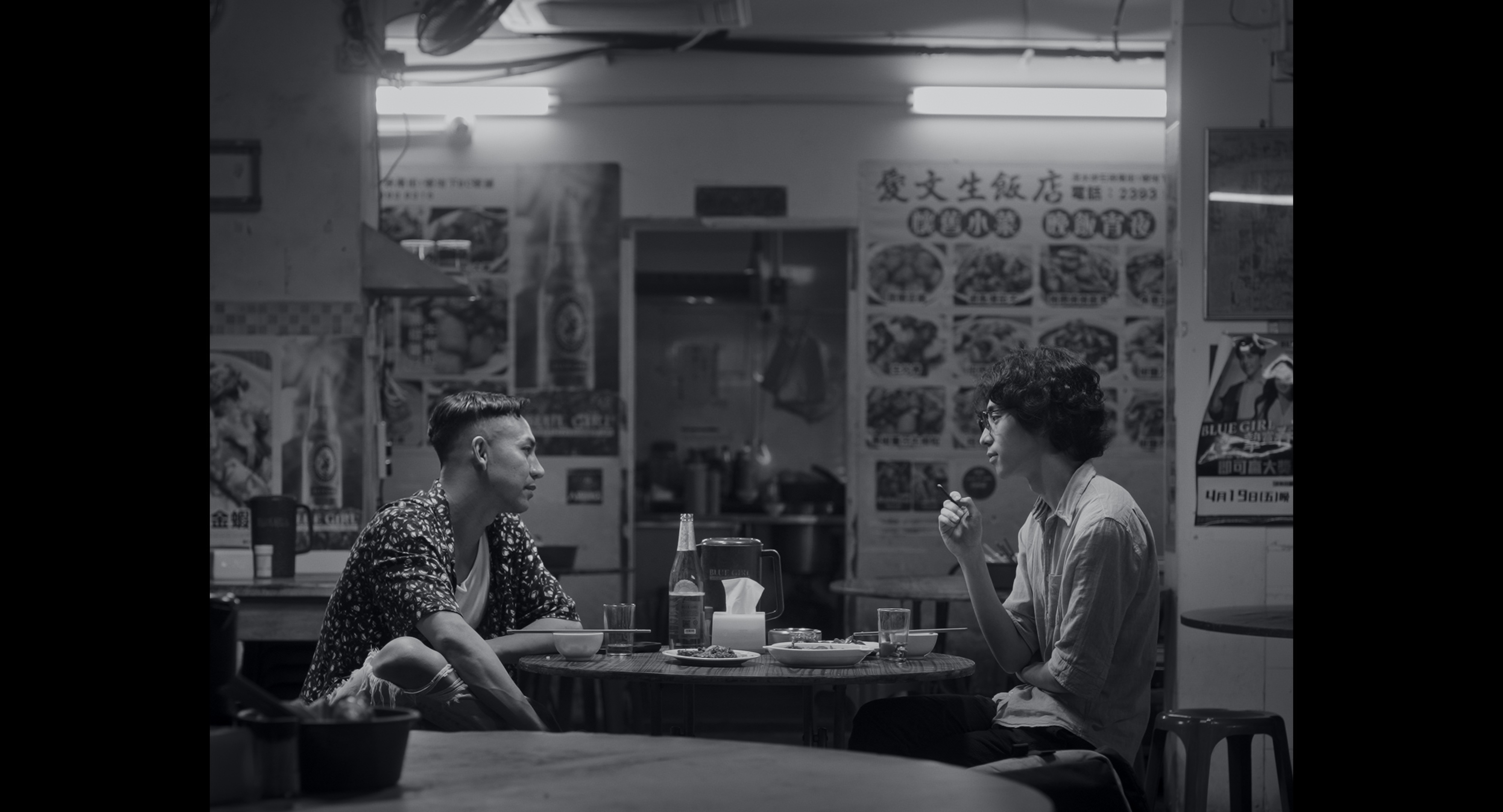
The conversations in the film are quite tender, often contrasting with the vigorous sex scenes that follow them, and the film emphasizes that the talking and the fucking are just two different ways of trying to connect. At the same time, the main character always keeps his distance, pointedly mentioning his boyfriend as well as specifying that each encounter is a one-off. The character endlessly circles, never fully engaging despite the physical intimacy, underscoring the difficulty of truly engaging in these times.

Taiwan’s Silent Sparks (dir. Ping Chu) is much more conventionally styled, a moody and brooding film that recalls classic film noir, but queer. An ex-con gets out of prison and tries to adjust to life on the outside but the world of crime keeps calling to him. The twist here is that the film explores the homosociality of prison and gangster films and reveals the unspoken homoeroticism in many of them. It’s a classic crime film setup but it says the quiet part out loud.
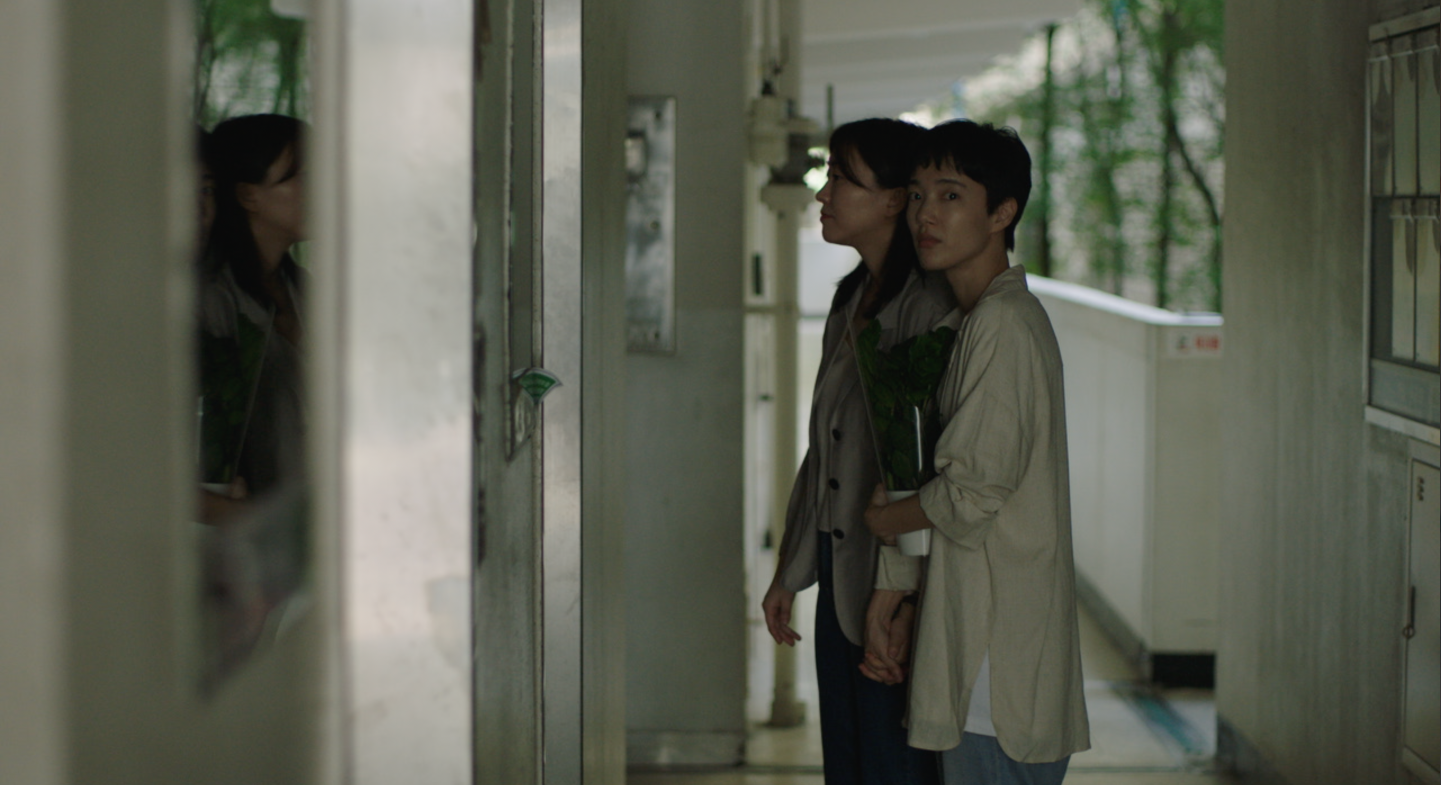
The South Korean narrative Lucky, Apartment (dir. Kangyu Garam) follows a lesbian couple in Seoul dealing with societal expectations, metaphorically represented by a very stinky apartment just below theirs. The film cleverly connects past and present and ultimately demonstrates the significance of chosen family and creating community across generations. Director Kangyu Garam uses a light touch in her critique of homophobia, societal pressures to marry, gender roles, and other issues facing queer women in Korea.

Jota Mun’s documentary Between Goodbyes follows Mieke, a queer South Korean adoptee as she navigates between her Korean family and her life in the Netherlands, where she was raised by a deeply religious single mother. A much harsher critique of the capitalist system that promoted Korean adoptions than Deann Borshay Liem’s groundbreaking Korean adoptee film First Person Plural (2000), the film is an intersectional look at the ongoing impact of international adoption.
I also caught the shorts program It’s a Family Affair, which included a handful of Asian films.

Tara (dir. Ashutosh S. Shankar) follows the story of a transfemme in India who starts dating a hunky new man, but the kicker is that his family isn’t opposed to her based on her trans identity but on the fact that she’s dalit and he’s brahmin. The film is a sensitive look at caste-based prejudice in India.
Correct Me If I’m Wrong (dir. Hao Zhou) is a quirky little look at the lengths a Chinese family will go to in order to straighten up the girly boy scion of the family, including various traditional remedies that attempt to cure what ails him. The results, however, are dubious.

Grandma Nai Who Played Favorites (dir. Chheangkea) is a droll and entertaining tale of the foibles of the ghost of a Cambodian grandma who reappears to comment on her queer grandson’s impending nuptials to a woman.

The highlight of the festival for me was Rashaad Newsome and Johnny Symons documentary Assembly, which follows the creation of Newsome’s multi-layered Afrofuturist performance piece of the same name. Although Newsome and Symons are very different types of filmmakers their collaboration on Assembly somehow managed to effectively mesh their very disparate aesthetics. During these grim times in the US and beyond it was a tonic to see a piece of art that addressed difficult questions with joy, hope and beauty. I entered the film in a very dark state of mind and left afterwards uplifted and inspired.
During his introduction to Queerpanorarma, director Jun Li spoke about the optimism and happiness he witnessed visiting Frameline in 2015 when the community was celebrating the legalization of gay marriage, as compared to now, when things both in Hong Kong and the US are much more dire. We are definitely in some rough waters right now but events such as Frameline offer hope that creativity, joy, and passion will somehow see us through.
Entry filed under: film festivals. Tags: film, film festival, frameline 49, lgbtq+, movies.

 beyondasiaphilia
Trackback this post | Subscribe to the comments via RSS Feed